Skip to content

A practical kitchen guide

Use the oil
for a reason.

Canola oil works best when neutral flavour, even coating, dependable texture, and everyday availability solve the cooking problem in front of you.

Explore the recipe collection
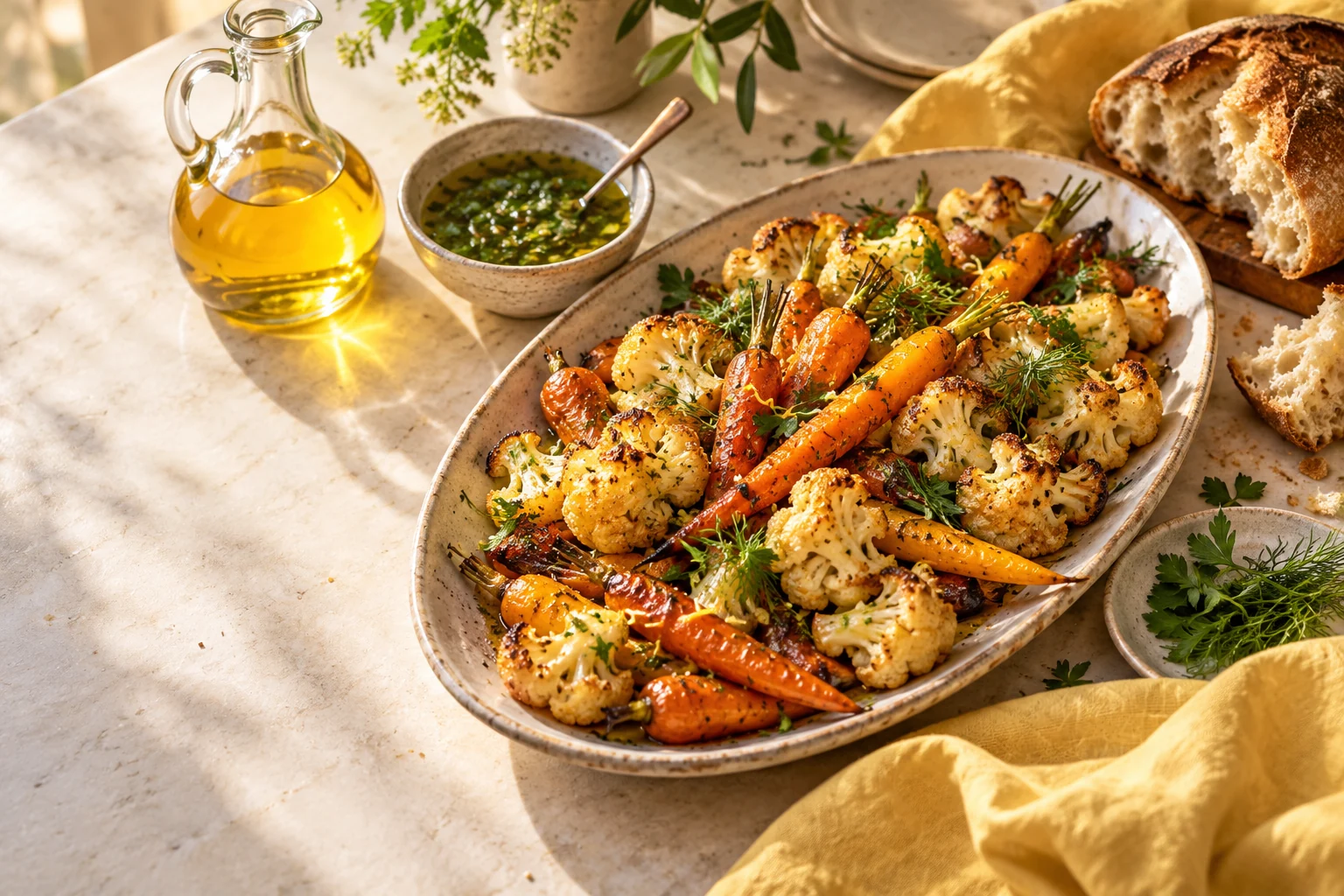
Representative editorial illustration of roasted vegetables and oil in an everyday kitchen
Original representative editorial illustration; no recipe trial depicted.

Kitchen workbench

Choose a cooking method.

Fast stovetop cooking

Sauté

Neutral flavour lets aromatics, vegetables, meat, tofu, and spices lead.

Start
Begin with enough oil to film the pan, then adjust for pan size and ingredients.
Look for
Oil should move easily across the pan; add food before visible smoke.
Common mistake
Crowding releases steam and slows browning.
Open the complete method

Culinary role map

What is the oil doing in the food?

Canola oil becomes easier to use when the cook can name its job. The amount, timing, temperature, and best alternative all follow from that role.

01
Transfer heatSautéing, frying, griddles

Creates close contact between food and the hot cooking surface while filling small surface gaps.

Watch: Temperature, batch size, food moisture, pan stability, and visible signs of overheating.

02
Coat a surfaceRoasting, grilling, air frying

Helps seasoning adhere and supports more even browning across irregular pieces.

Watch: Drying, coating thickness, spacing, airflow, flare-ups, and excess oil collecting on the tray.

03
Tenderize a crumbMuffins, cakes, quick breads

Distributes liquid fat through a batter without adding a strong flavour or requiring creaming.

Watch: Recipe ratios, mixing, flour hydration, and the structural difference between liquid and solid fats.

04
Carry flavourDressings, marinades, sauces

Disperses herbs, spices, aromatics, and fat-soluble flavours while allowing acid and seasoning to lead.

Watch: Emulsion, acid balance, salt, viscosity, storage, and contact time with the food.

05
Create crisp textureShallow and deep frying

Surrounds the food with controlled heat so surface water can leave and a crust can develop.

Watch: Food load, crumbs, recovery between batches, filtration, oil condition, drainage, and safe cooling.

06
Stay in the backgroundSpice-forward and delicate foods

A mild refined oil lets vegetables, chocolate, citrus, mustard, herbs, and browned food provide the identity.

Watch: Product style and freshness; cold-pressed canola may bring more seed character than refined oil.

01

Neutral flavour is a culinary function

Canola oil is useful when the food, spice, browning, or dressing should provide the flavour.

Neutral does not mean flavourless in every product. Refined oils are typically milder; cold-pressed oils can carry more seed character.

Choose another fat when butter flavour, olive fruitiness, sesame aroma, or another distinctive note is central to the dish.

Go deeper
02

Heat control matters more than a memorized number

Pan material, burner output, food moisture, batch size, and oil condition shape what happens at the stove.

Visible smoke, harsh odour, rapid darkening, and scorched food are cues to stop and cool the system. A published smoke point is not permission to ignore the pan.

Preheat deliberately, add food before oil degrades, and lower heat when the cooking job needs time rather than intensity.

Go deeper
03

Browning needs surface contact and water management

Oil helps transfer heat and coat irregular surfaces, but it cannot brown a wet, crowded tray by itself.

Dry food where appropriate, leave space, use enough heat, and avoid moving pieces before a crust forms.

Oil amount, salt timing, cut size, and pan geometry all influence the result.

Go deeper
04

Fresh oil makes better food

Store canola oil closed, away from heat and strong light, and buy a size that matches turnover.

Smell and taste are practical checks. Paint-like, stale, bitter, or otherwise unusual notes are reasons not to use the oil.

A date code helps with stock rotation but does not override poor storage or obvious deterioration.

Go deeper
05

Frying is an oil-management system

Temperature, food load, crumbs, water, filtration, downtime, and repeated use affect frying quality.

Home cooks should prioritize stable equipment, small batches, drainage, cooling, and safe disposal. Professional kitchens need documented receiving, filtration, turnover, cleaning, and discard practices.

Do not pour used cooking oil down a drain. Follow local collection and disposal options.

Go deeper
06

Substitution changes more than flavour

Liquid oil does not supply the water, milk solids, crystalline structure, or aeration of butter or shortening.

In a vinaigrette or skillet, a direct oil substitution may be simple. In pastry, laminated dough, frosting, or a creamed cake, fat structure is part of the method.

Use a tested recipe when structure matters, or adjust with a clear understanding of water and mixing.

Go deeper
07

The best oil depends on the cooking job

Availability, price, flavour, product style, heat exposure, storage, allergies, and recipe role all belong in the choice.

Canola earns its place through versatility: it can disappear into a muffin, carry mustard in a dressing, coat vegetables, or serve a managed fryer.

Versatility is not a claim that it must be used everywhere. A well-equipped kitchen can use several fats intentionally.

Go deeper

Put the guide to work

Technique first. Recipe next.

Browse recipes Fix a cooking problem Compare cooking oils Open kitchen tools

A closer reading / The Fresh

Choose the oil by the work it needs to do

A kitchen guide to flavour, coating, mixing and heat, built around the dish rather than a universal oil ranking.

Original editorial guide · October 24, 2026
Original editorial still-life illustration of unbranded canola oil and ingredients
Original editorial illustration; no product endorsement or recipe test depicted.

Name the job before opening a bottle

The most helpful first question is what you need the oil to do. A dressing needs an ingredient you enjoy eating without further cooking. A roasting tray needs a controlled coating. A batter needs the type and quantity of fat its recipe expects. A skillet introduces a different combination of food, contact, moisture and heat.

Write the cooking task in a short sentence: coat these vegetables, carry this seasoning, make this dressing or mix this batter. It gives every later choice a purpose and keeps a crowded oil shelf from becoming a competition without rules.

Decide whether flavour should lead

Sometimes the oil is part of the flavour you want to notice. Sometimes you want the flavour of lemon, ginger, roasted carrots or cocoa to remain in front. Both intentions are reasonable. Look at the actual product description, and use a small fresh sample when comparing flavour for an uncooked dish.

You can also separate cooking from finishing. A recipe may use one ingredient during preparation and a different finishing touch at the table. That choice should come from the food you want to eat, rather than the assumption that a single bottle must answer every question.

Coating is a practical skill

For a tray of vegetables, measure the oil before adding it, then toss and inspect the food. The aim is a deliberate coating, not an unexplained puddle beneath the ingredients. Keep the cut size and spacing consistent so you can understand what changed when you adjust the next batch.

This is a useful home observation exercise: change the oil quantity while keeping the food, tray and recipe otherwise the same. Record what you see and taste. A note about your own tray is more informative than a claim that one quantity works for every vegetable and oven.

In baking, respect the method

A recipe written for liquid oil gives you a clearer starting point than one that depends on creaming a solid fat. University extension guidance explains that changing between oil and solid fats can change baked texture and volume. Treat the mixing method as part of the formula, not a disposable instruction.

Use the specified amount and measurement method for the first batch. If you later make a substitution, record one change at a time. Choose a familiar, forgiving recipe for the comparison rather than making an important celebration cake your first experiment.

Keep heat attached to the whole task

An oil choice does not replace the recipe, appliance instructions or attention at the stove. Match the product's stated uses to the cooking method and stay present while it heats. If a method is not working as expected, stop and assess the food, heat setting and pan instead of repeatedly adding oil.

After dinner, keep a short kitchen record: product, dish, amount, method and result. Over several meals, that notebook becomes a useful guide to your equipment and preferences. It also shows whether a new bottle solves a real problem or simply adds another label to the cupboard.
Further reading

Continue through the journal →