THE EVERYDAY EDIT / A CANOLAOIL COLLECTION
One ingredient.
Many ways in.
A few good questions for the kitchen, and a publication that lets you follow them further.
Original editorial collection · CanolaOil / The Fresh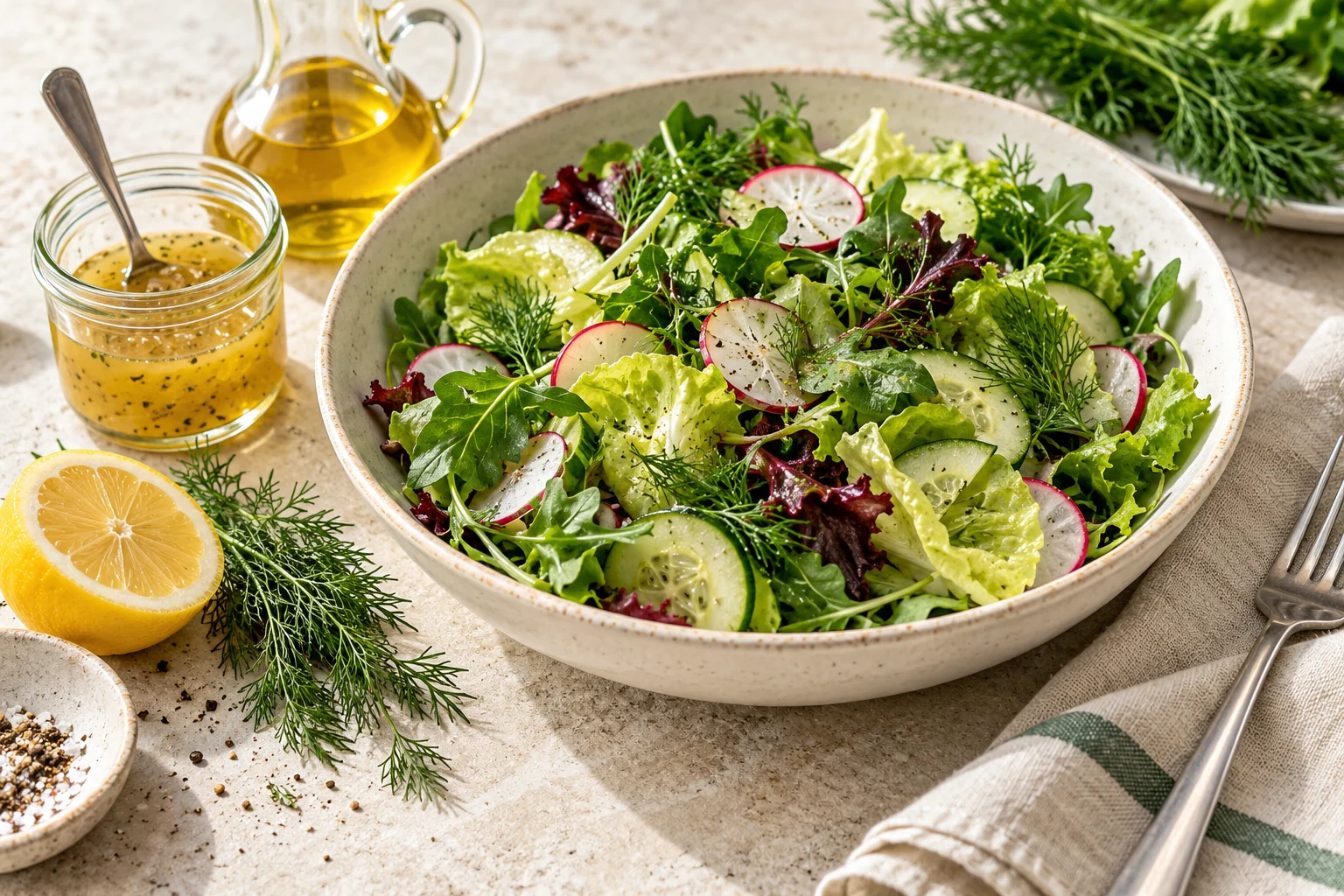
Everyday versatility is an invitation to look more closely. This edit brings together four ways to explore canola oil: the cooking task, a baking substitution, a dressing and the words on a bottle. Each begins with something familiar and leads into a more useful question.
The food images are original representative illustrations. The collection is a reading guide; it does not document a cooking trial or offer a tested recipe.
01 / AT THE STOVE
Start with the job.
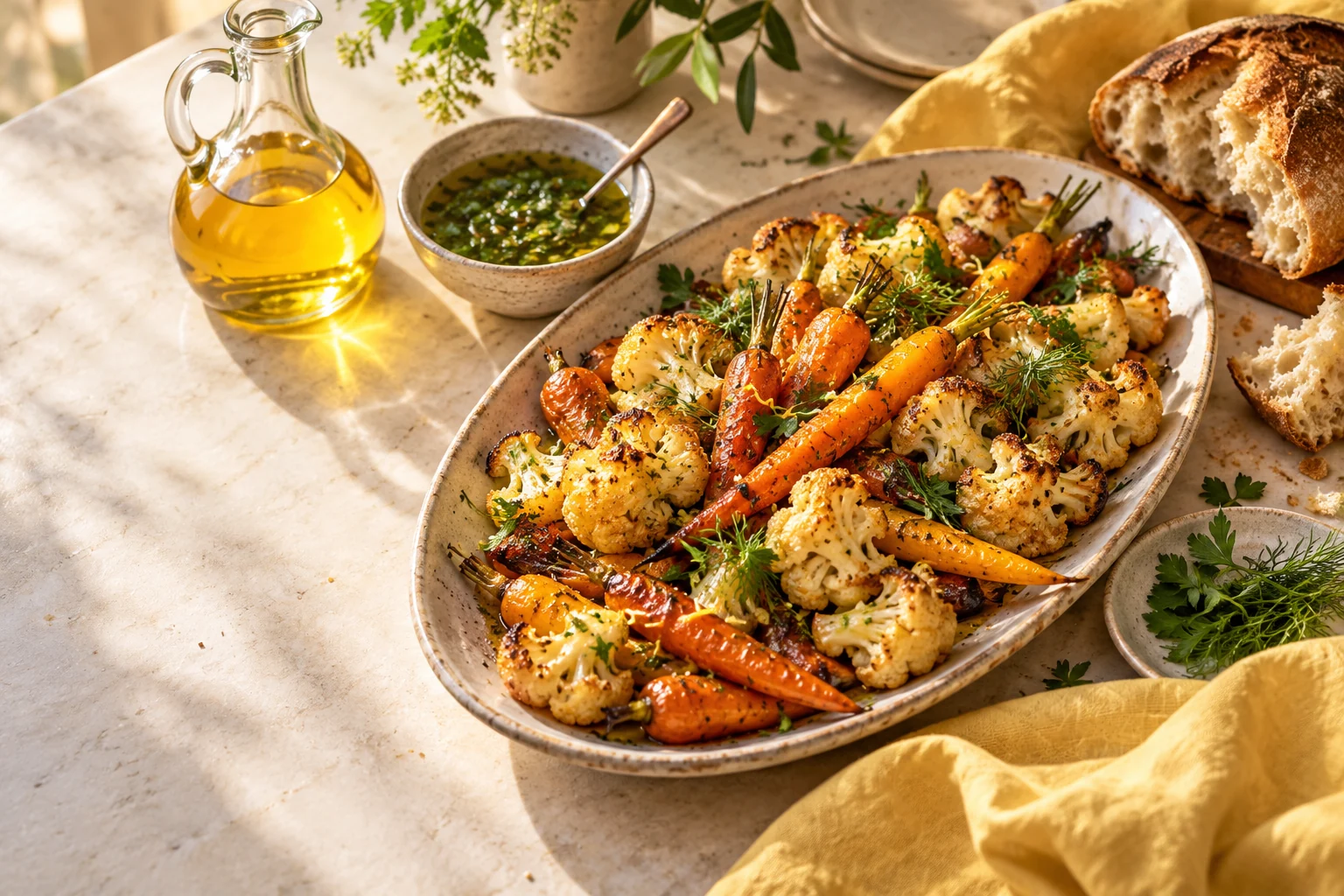
The most interesting question about an oil is often a very ordinary one: what are you making? A tray of vegetables, a batter and a bowl of dressing give the ingredient different roles. Start with that role and the rest of the reading becomes more useful.
Instead of searching for a single winner among oils, follow the detail that matters to your task. What product style does the recipe expect? Is the question about flavour, the method or a quantity? Write it down before turning a general explanation into a change to your own cooking.
02 / SOMETHING TO BAKE
Give the batter its own question.
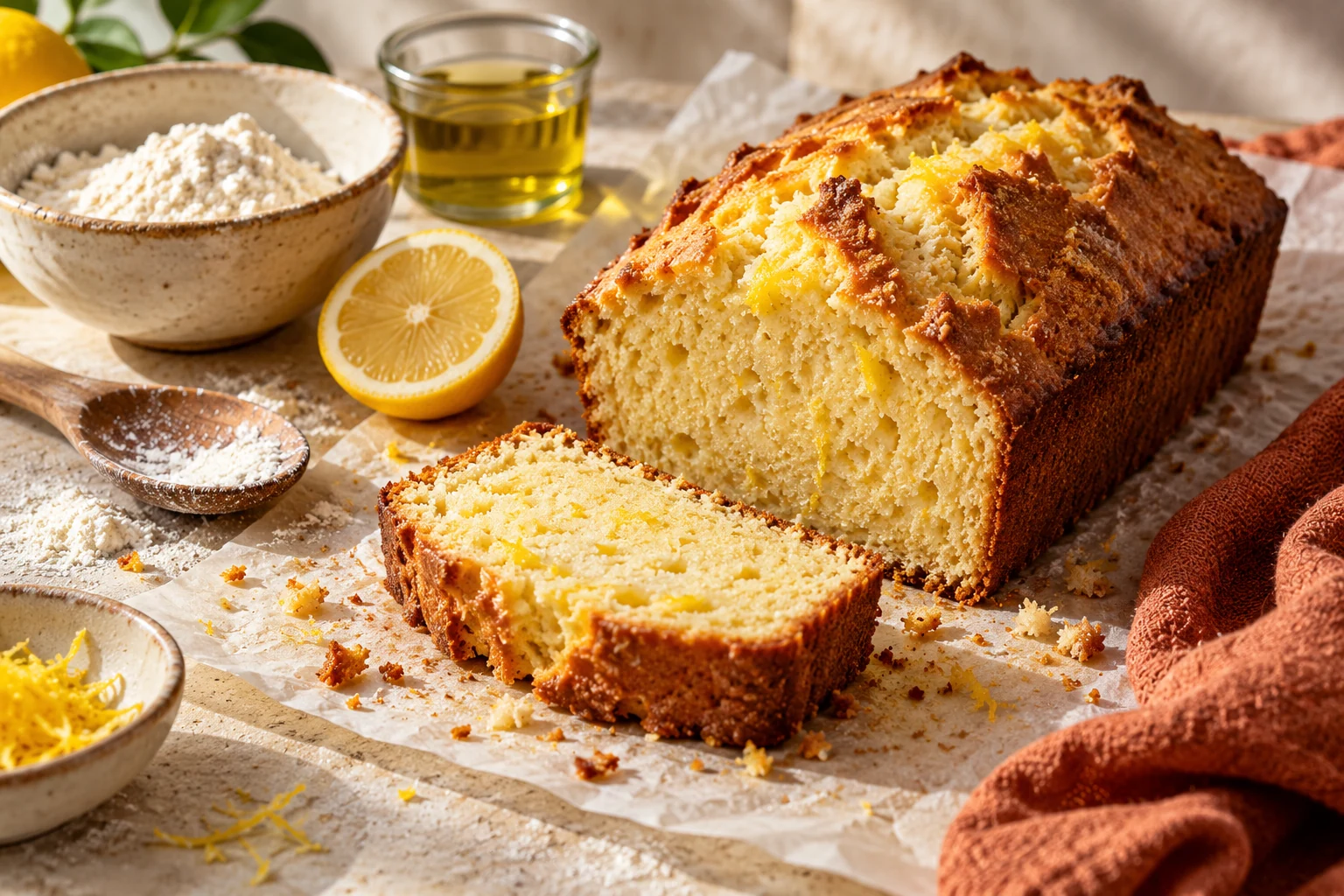
A substitution is a small piece of recipe editing. Before doing the arithmetic, look at the original ingredient, the amount and what the method asks you to do with it. Keep the steps beside the ingredient list; a number on its own leaves out part of the story.
Our baking guide and calculator are places to work through that question. They do not establish that an altered recipe has been tested. Keep the original reference, note what you changed and describe your own result. Those details are more useful next time than a remembered impression of whether the swap ‘worked’.
03 / A BOWL ON THE TABLE
Leave room for the flavour.
A dressing gives you a different way into the ingredient. The oil sits beside the acid, the seasoning and whatever else the recipe asks for. Read those ingredients together before borrowing a ratio from somewhere else; first ask what quantity you are trying to make and what kind of dressing the reference describes.
A useful note keeps the actual quantities and the reference together. If you change something, describe the change rather than treating a photograph of a finished salad as proof of a recipe. Our dressing guide leads into the method, while the ratio tool gives your entered numbers a place to sit.
04 / THE INGREDIENT STORY
Turn the bottle around. Then follow it back.
The wording on a bottle is a good place to begin a specific question. Keep the exact words in your notes. A term about product style, a place name and an instruction about storage are different pieces of information; each calls for its own reading.
Then let the question take you further. The crop, the harvested seed and the process belong in the same story, but a general explanation of a stage is not a record of a particular bottle. This is where a field-to-kitchen publication can be useful: giving each stage enough space, and showing you a sensible connection to the next one.
Take one question from this edit into the reading room. Save the guide you want to return to, or keep a private kitchen note with the reference and what you noticed. A little more attention to an everyday ingredient is a good place to start.
KEEP THE QUESTION