Before the field turns yellow
Seed and crop planning
A canola crop begins with field history, rotation, seed choice, equipment, timing, and a plan that will keep changing as conditions change.
Explore this stage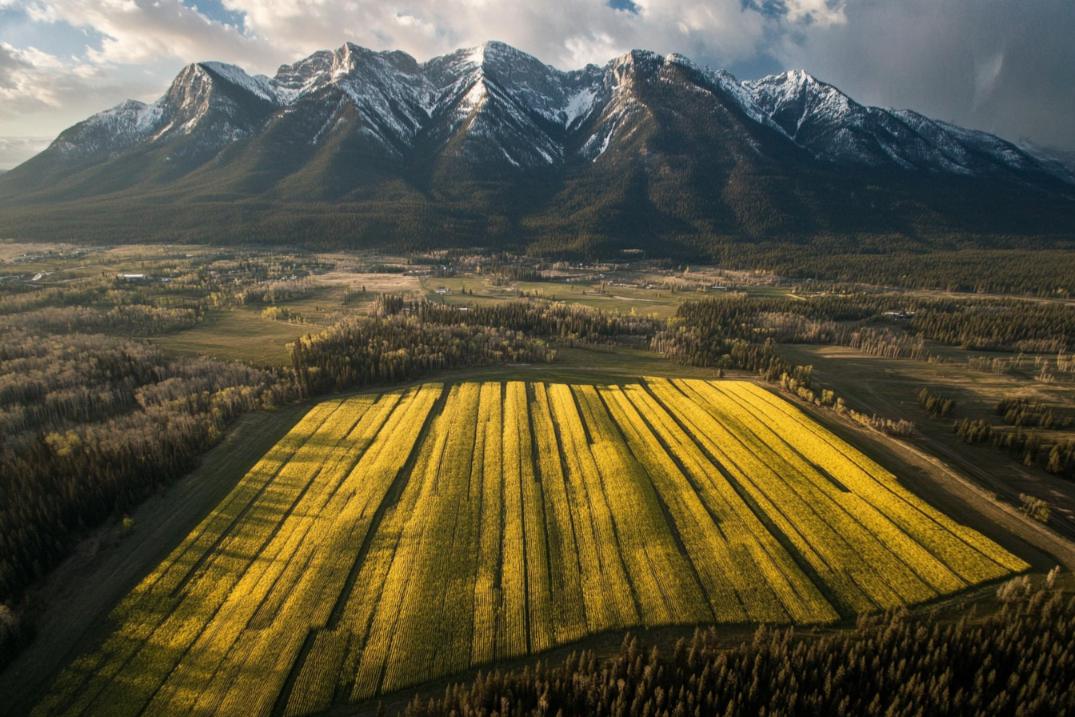
A visual field-to-kitchen journey
Seven handoffs connect a living Canadian crop with a finished cooking oil. Follow what moves, what changes, and what matters at each stage.
Start with the plantOne crop / several products
Canola does not move directly from a yellow flower into a clear bottle. The living crop becomes harvested grain; the grain becomes a processing input; processing creates oil and meal; and the oil is finished for a particular market and use.

Before the field turns yellow
A canola crop begins with field history, rotation, seed choice, equipment, timing, and a plan that will keep changing as conditions change.
Explore this stage
The living field
Plants establish, build leaves, branch, flower, set pods, and fill seed. Weather and field conditions can influence each stage differently.
Explore this stage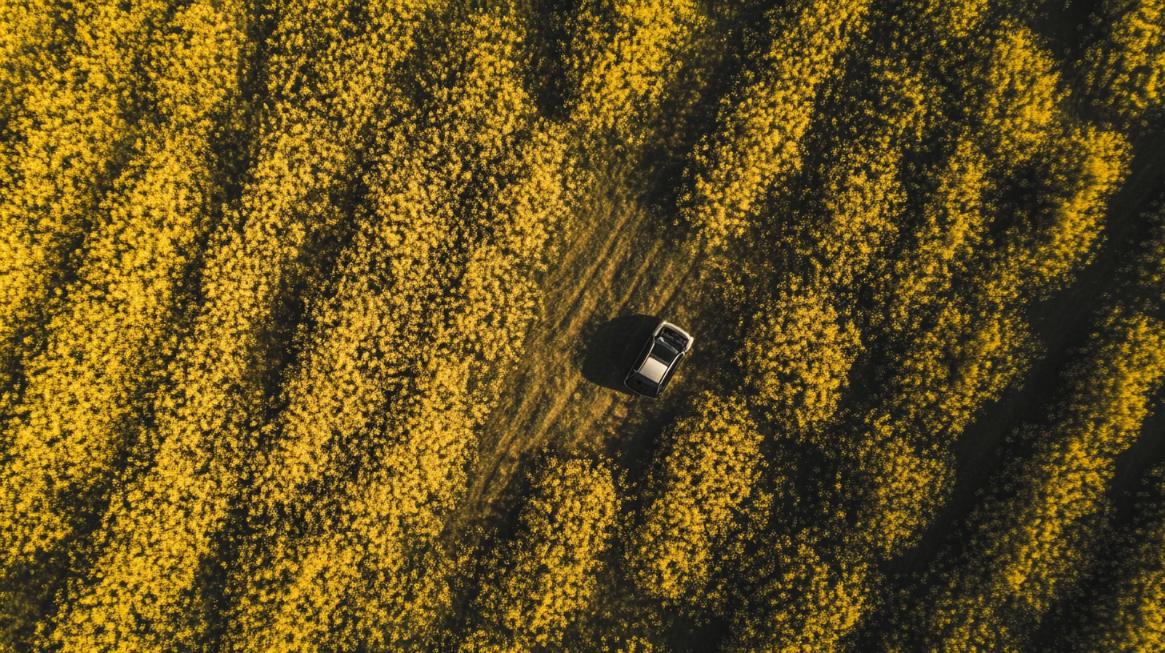
From crop to commodity
At maturity, the crop is harvested and the seed moves into storage, sampling, quality assessment, transportation, and delivery.
Explore this stage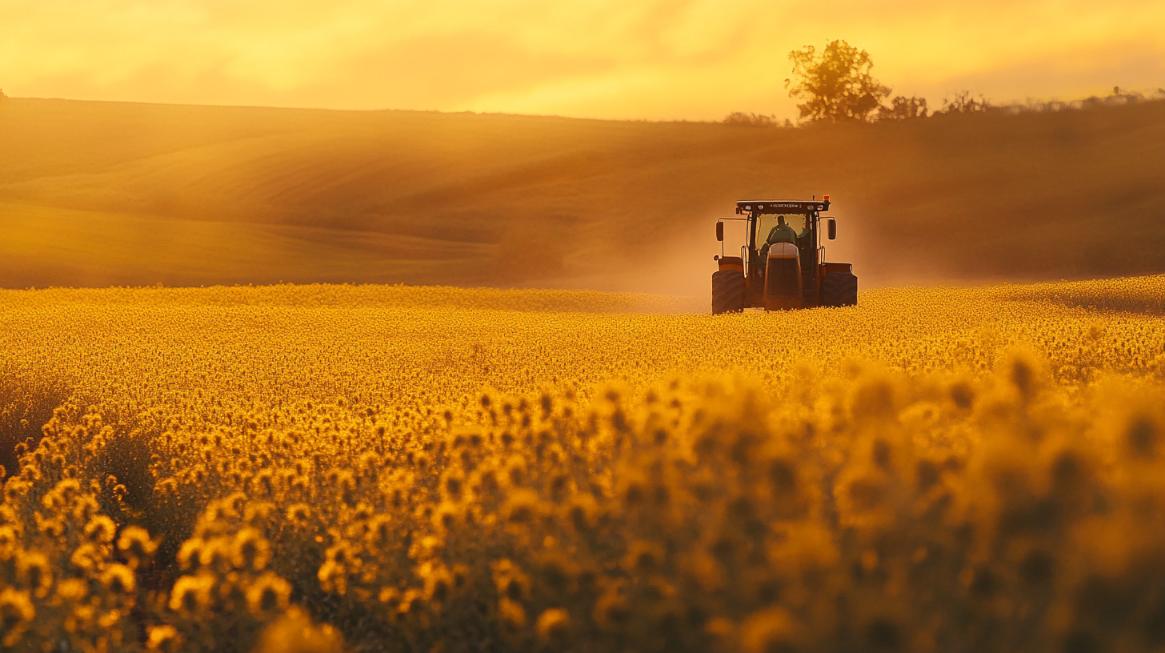
At the processing plant
A processor receives a defined grain lot, checks it against requirements, cleans it, and prepares the seed for efficient oil separation.
Explore this stage
Using the whole seed
Mechanical and, in many facilities, solvent-assisted steps separate oil from the prepared seed. The solid stream becomes canola meal.
Explore this stage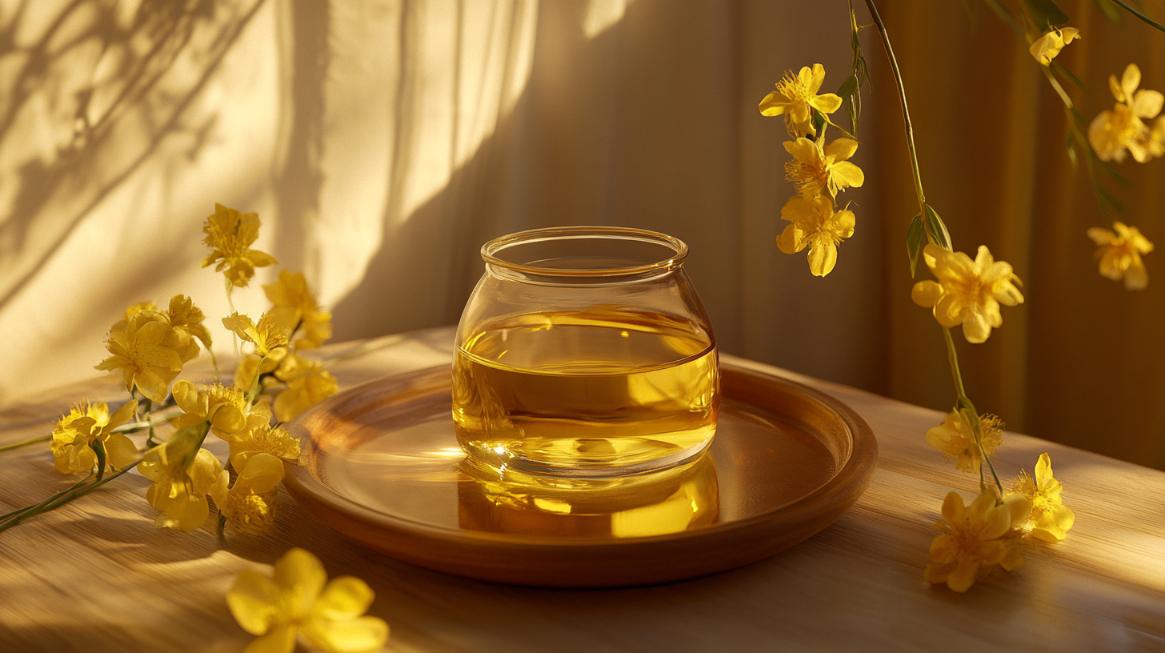
Making an edible oil
Crude oil can be refined to manage gums, free fatty acids, colour, odour, and other components before product-specific finishing and quality checks.
Explore this stage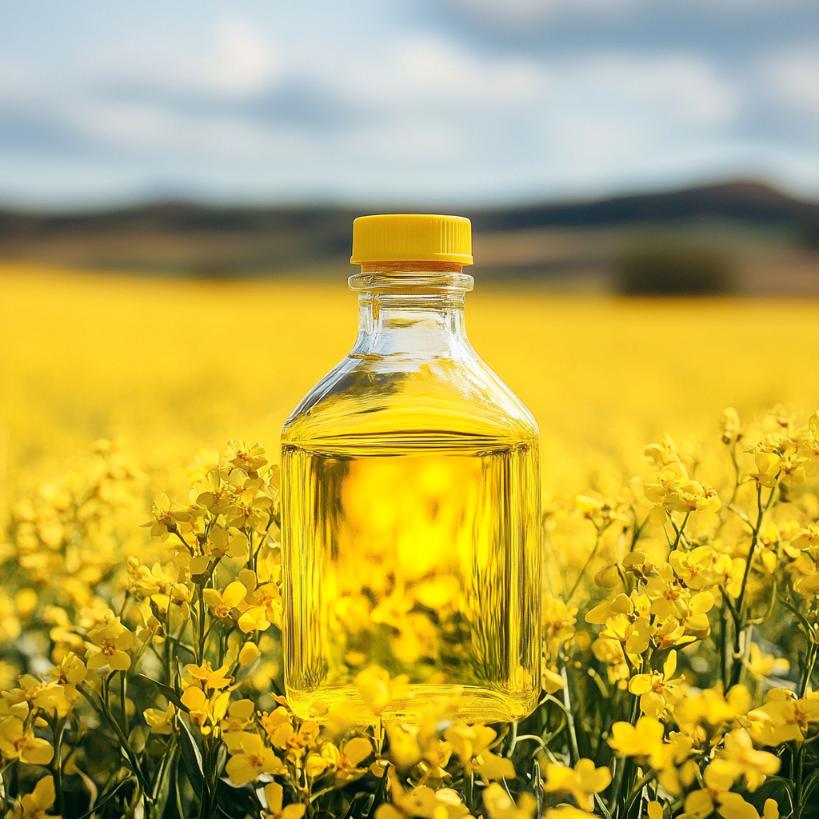
The final working product
Finished oil is packaged, distributed, stored, opened, poured, heated, and eventually replaced. Light, heat, air, time, and kitchen turnover all matter.
Explore this stageContinue the story
A closer reading / The Fresh
A practical reading of seed preparation, oil separation, refining and packaging, with the questions each stage can answer.
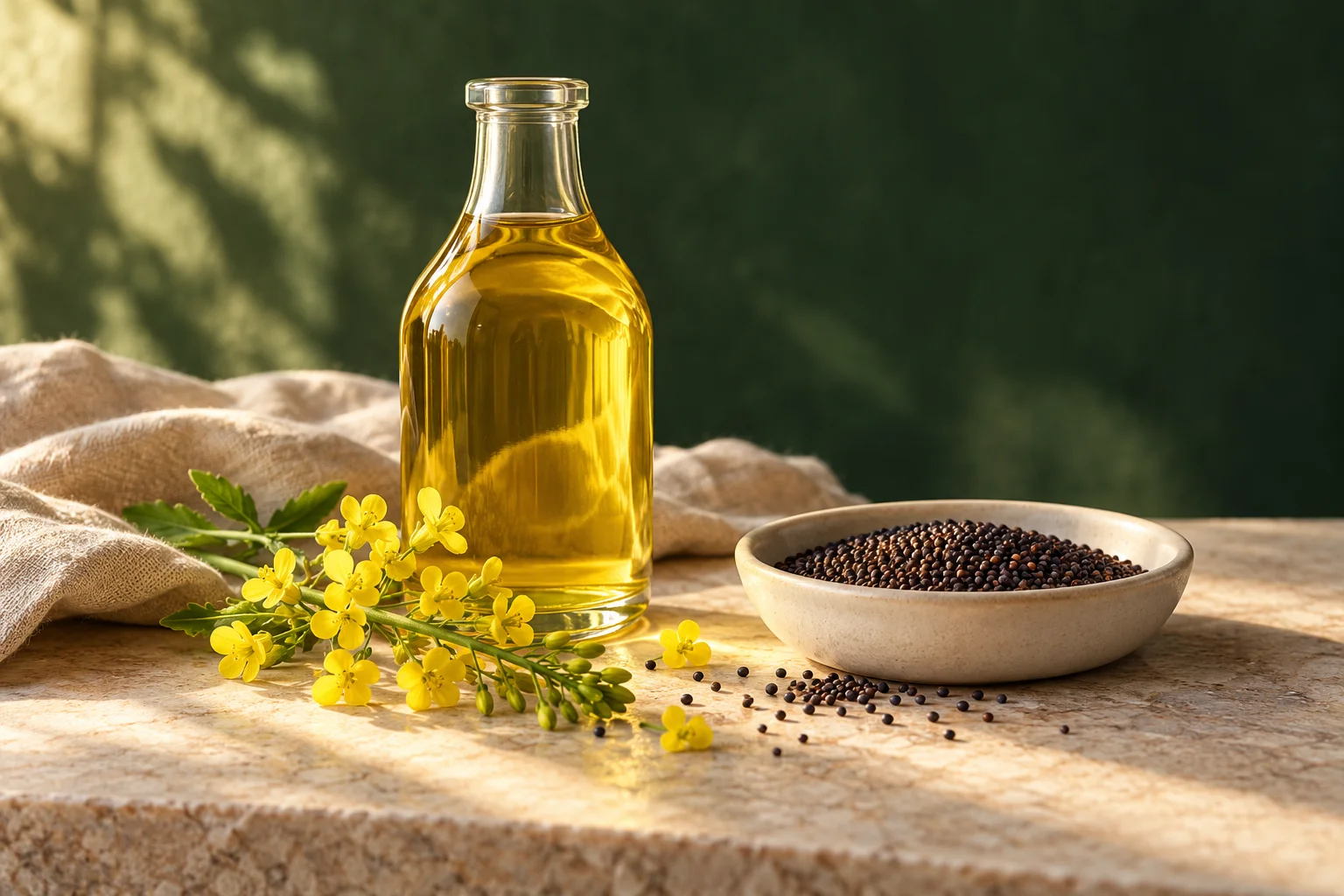
A bottle is the easiest part of the canola story to recognize. The work begins with an oil-bearing seed, harvested and handled before it reaches a processor. Receiving and cleaning establish the material entering the plant. Preparation makes the oil inside that material more accessible. These are separate jobs: removing unwanted material is different from breaking open the structure that holds the oil.
When reading a process diagram, start by naming the material. Whole seed, prepared seed, press cake, crude oil and finished oil describe different points in a changing stream. Keeping those names distinct makes the rest of the process easier to follow.
Oil extraction is a physical separation problem before it becomes a label on a shelf. Depending on the process, seed preparation can include size reduction and controlled heating. A processor selects equipment and conditions for the material and intended product. A general illustration should show the purpose of this work without pretending that every plant has the same machinery or settings.
Ask what changes at each operation. Is material being cleaned, made smaller, warmed, pressed or filtered? Those verbs reveal more than a long list of equipment names. They also prevent a photograph of one machine from being mistaken for the entire process.
Mechanical pressing applies force to release oil and leaves a solid cake that still contains some oil. Other processing arrangements use solvent extraction to recover oil from prepared material. These are descriptions of extraction routes, not promises about the precise history of an unidentified retail bottle.
Draw two arrows after separation. One follows oil toward finishing; the other follows the remaining seed material toward a product with its own specification. The solid stream deserves attention because the crop produces more than the liquid sold to cooks. Oil and meal are connected products with different uses and handling requirements.
Refining changes selected characteristics of crude oil. Depending on the route, operations address phospholipids, free fatty acids, pigments, volatile compounds and other components that affect the finished product. Degumming, neutralization, bleaching and deodorization name different operations. They should not be collapsed into one mysterious event.
A useful question is what an operation removes or changes, and why that matters for flavour, appearance, handling or storage. A process name alone cannot establish the performance of every bottle. The finished specification and actual product information remain essential.
A finished oil still has to be stored, moved, packed and used. The container, closure, lot information and storage directions become the reader's most immediate evidence. A beautiful field image on a label is a design choice; it does not trace that particular bottle to the pictured landscape.
At home, preserve the useful information. Keep the original label readable, note when the bottle was opened and follow its storage directions. These small habits connect a large industrial story to the oil actually going into dinner.