Skip to content
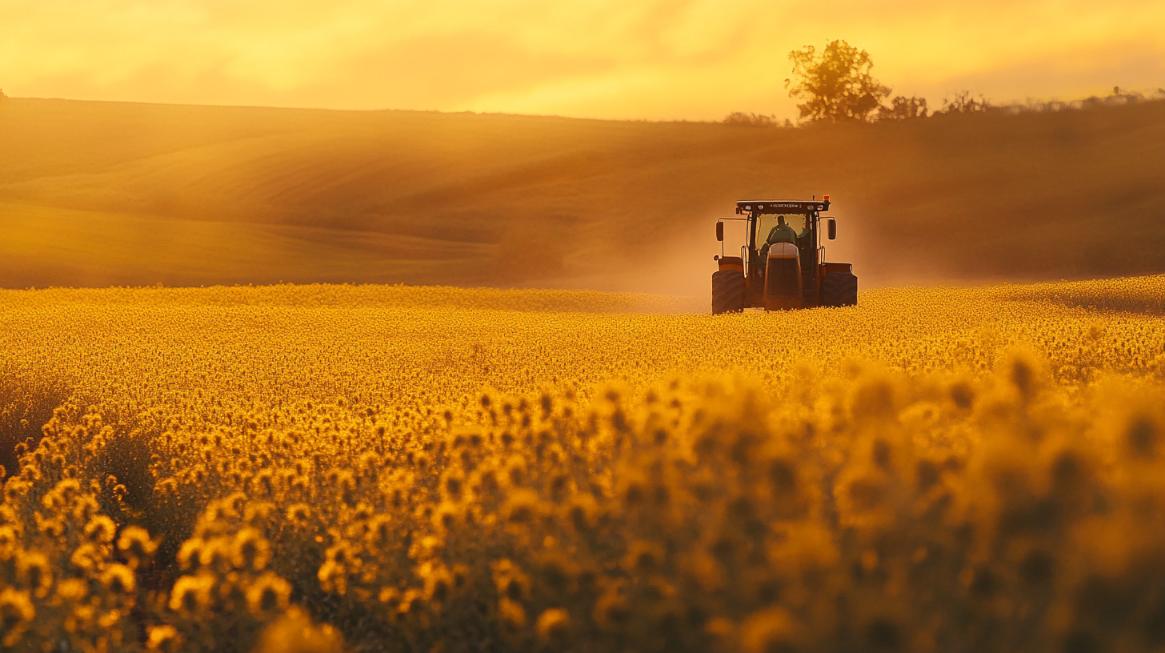
FRSH visual interpretation of farm machinery working in a flowering canola field

From emergence to mature seed

Canola Plant Growth and Crop Stages

Follow the plant from its first leaves through the yellow flowering window, pod development, seed fill, maturity, and harvest, then see how the crop story continues after it leaves the field.

01Crop systems02Field season03Harvest04Value chain

Crop literacy

Plant growth starting point

What does plant growth help a canola oil reader understand before processing or cooking?

Field context

Plant growth puts the bottle back into a living crop story: seed, seedling, leaves, stem, flowers, pods, mature seed, handling, processing, shelf, and kitchen.

Oil-chain bridge

Use growth stages as the middle of the chain between soil context and harvested seed condition.

Media or kitchen meaning

Growth context helps readers picture canola as a crop, but it does not tell them which bottle to buy or how an oil will behave in a recipe.

Review cue

Review when copy names a current crop, region, farm, date, weather event, or product conclusion.

Growth map

Show canola as a living crop before it becomes an ingredient.

Growth stages turn the field story into something readers can picture.

Seedlings, leaves, flowering fields, pods, seed fill, maturity, and harvest make the crop tangible. Those visible stages also help explain how a living plant becomes harvested seed ready for handling and processing.

Open the field encyclopedia
Seasoncrop calendar

Move from individual plant stages into the broader rhythm of field work, weather, harvest, and storage.

12visual explainers

See crop stages and field-to-kitchen transitions through original visual explanations for public learning.

25seed handling checks

Follow plant maturity into harvest, storage, receiving, cleaning, and preparation for processing.

Keep the scope clear

  • Use plant-growth records to explain canola crop literacy, not to diagnose plants or provide field instructions.
  • Separate visible crop stage, local weather, field pressure, seed condition, harvest handling, processing, labels, kitchen use, and waste before making claims.
  • Do not use plant-stage language as proof of farm practice, product quality, sustainability outcome, nutrition meaning, or finished-oil performance.
  • Route current-season observations, field photos, growth-stage timing, crop-condition statements, supplier claims, and measurable outcomes to review before publication.