Skip to content
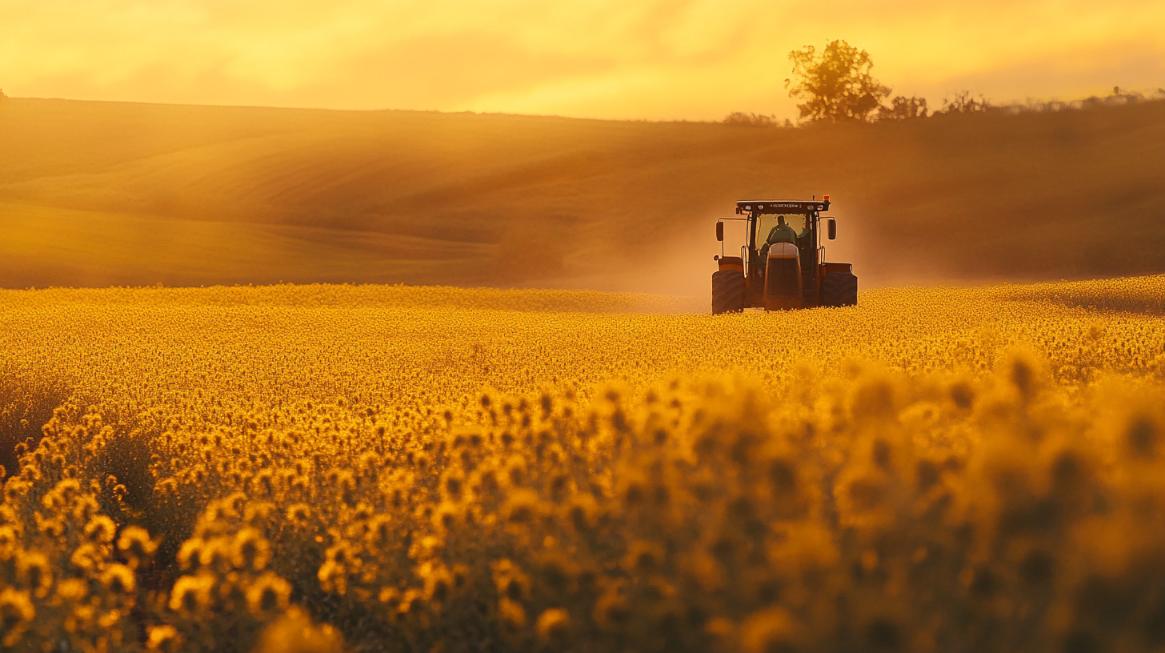
FRSH visual interpretation of farm machinery working in a flowering canola field

The ground beneath the crop

Canola Soil and Field Context

Soil, water movement, residue, compaction, nutrients, weather, access, and landscape all belong to the field story. Explore what each term means and why no single field condition can stand in for the whole season.

01Crop systems02Field season03Harvest04Value chain

Field literacy

Soil context starting point

What does soil context help a canola oil reader understand before labels or kitchen choices?

Field context

Soil context reminds readers that canola begins in fields with different land, moisture, residue, timing, and crop-history conditions.

Oil-chain bridge

Use soil as the start of the chain, then move through seed condition, handling, processing path, product style, shelf, kitchen use, and waste.

Kitchen or label meaning

Soil context can make the crop story richer, but it does not tell a shopper which bottle performs better in a pan.

Review cue

Review when copy names a farm, region, current season, soil metric, or product conclusion.

Soil map

Make the crop story tangible without pretending to diagnose a field.

Keep the scope clear

  • Use soil and field-condition records to explain context, not to diagnose fields or provide farm instructions.
  • Separate soil, land, weather, rotation, field pressure, seed condition, processing, labels, kitchen use, and waste before making claims.
  • Do not use soil language as proof of farm practice, carbon outcome, product quality, sustainability ranking, or finished-oil performance.
  • Route local conditions, current-season statements, field diagnostics, environmental metrics, and supplier claims to review before publication.