Skip to content
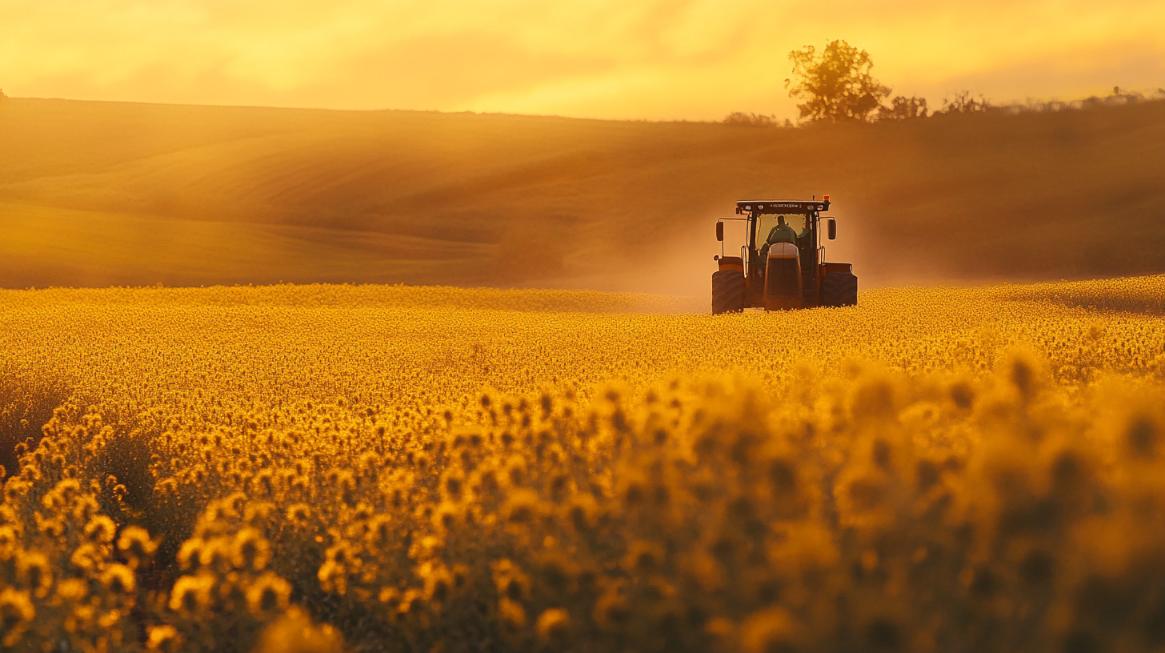
FRSH visual interpretation of farm machinery working in a flowering canola field

A crop is part of a longer field history

Canola Crop Rotation and Field Context

Canola is grown within a sequence of crops and seasons. Explore why that history matters, how soil and weather enter the picture, and where careful field context ends and unsupported conclusions begin.

01Crop systems02Field season03Harvest04Value chain

Pre-season context

Field history starting point

What does the field's recent crop history help a reader understand?

System context

Field history gives canola context before planting by showing that crop decisions build on previous crops, residue, soil conditions, and local constraints.

Oil-chain bridge

Use field history as upstream literacy, then move the answer toward seed handling, processing, product style, storage, and kitchen fit.

Reader use

Helpful for media, educators, and shoppers who need to understand why canola is part of a longer field story.

Review cue

Review when copy names a farm, region, crop sequence, supplier claim, or current condition.

Rotation map

Put canola oil back into its field system.

Rotation is where the crop story starts to become real.

Field history, previous crop context, soil, pressure, weather, harvest, and post-harvest handling make the agriculture side richer. The page keeps that depth useful without giving farm instructions or making product claims.

Explore soil and field context
Soilfield conditions

Continue into water movement, residue, compaction, nutrient context, weather, and field access.

18field-season entries

Follow rotation context into crop stages, field pressure, harvest work, storage, and logistics.

25seed handling checks

Continue from crop sequence into harvested-seed condition, storage, movement, and processing readiness.

Keep the scope clear

  • Use rotation records to explain field-system context, not to provide farm plans.
  • Separate field history, soil context, crop sequence, field pressure, harvest, processing, labels, kitchen use, and waste before making claims.
  • Do not use rotation language as proof of a product, farm, region, sustainability outcome, or finished-oil quality.
  • Route local practice claims, named farms, current-season conditions, field diagnostics, and exact performance claims to review before publication.