Skip to content
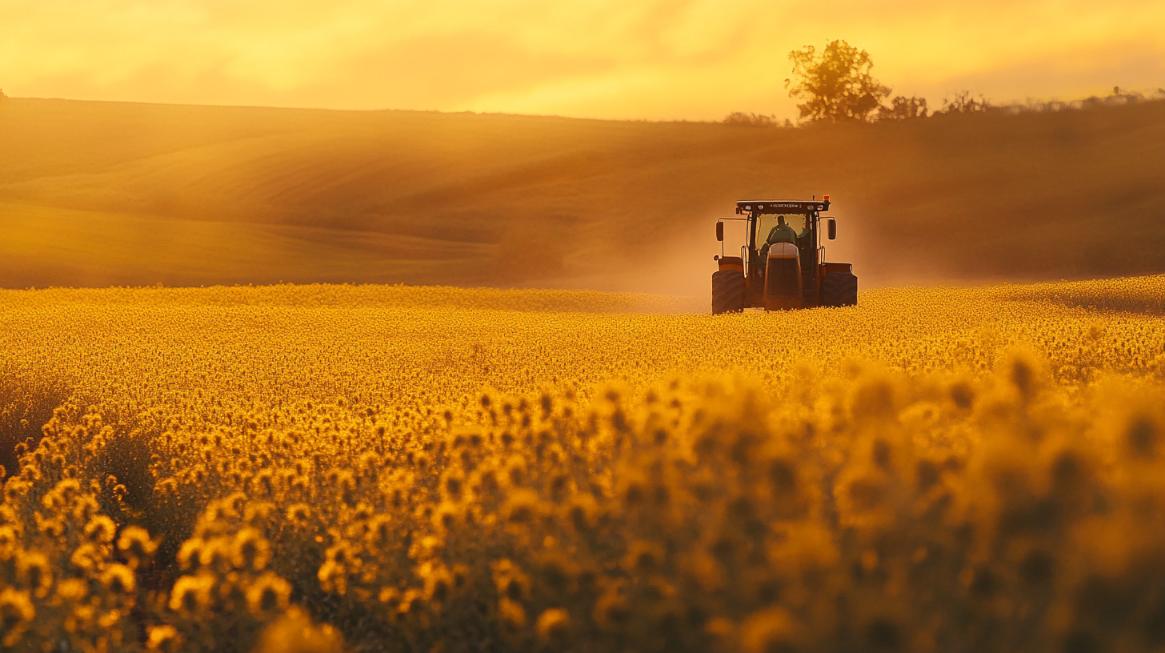
FRSH visual interpretation of farm machinery working in a flowering canola field

From planning to stored seed

The Canola Field Season

A canola crop is the result of a season of changing conditions and practical work. Follow that season from field history and seeding through flowering, pod development, harvest, storage, and the first steps toward processing.

01Crop systems02Field season03Harvest04Value chain

Before seeding

Rotation and pre-season plan

What should a reader understand before the crop is even in the ground?

What changes

The pre-season lens explains that canola sits inside field history, crop sequence, equipment planning, seed decisions, and local management choices.

How to read it

Use this stage to show that agriculture questions start earlier than the bottle, without telling anyone what to plant or when.

Where it meets the oil

For kitchens and shoppers, the practical bridge is better sourcing, label, sustainability, and supply-chain questions.

A useful question to carry forward

Review when a page mentions field history, seeding decisions, local timing, inputs, weather, or expected outcomes.

Reading the field

One stage rarely explains the whole crop.

Field work happens in sequence, but the stages overlap.

Weather, field history, crop growth, harvest condition, and storage all carry forward. Reading the season as a connected story helps explain why a single field image or label claim cannot describe everything that happened before the oil reached the shelf.

Follow the crop calendar
10crop phases

Use the crop calendar when an operation needs the broader field-to-kitchen sequence.

10regional frames

Use field regions when the operation needs a place-aware caution without making local claims.

39plain-language crop terms

Learn the vocabulary used to describe crop growth, field conditions, harvest, and seed handling.