Skip to content
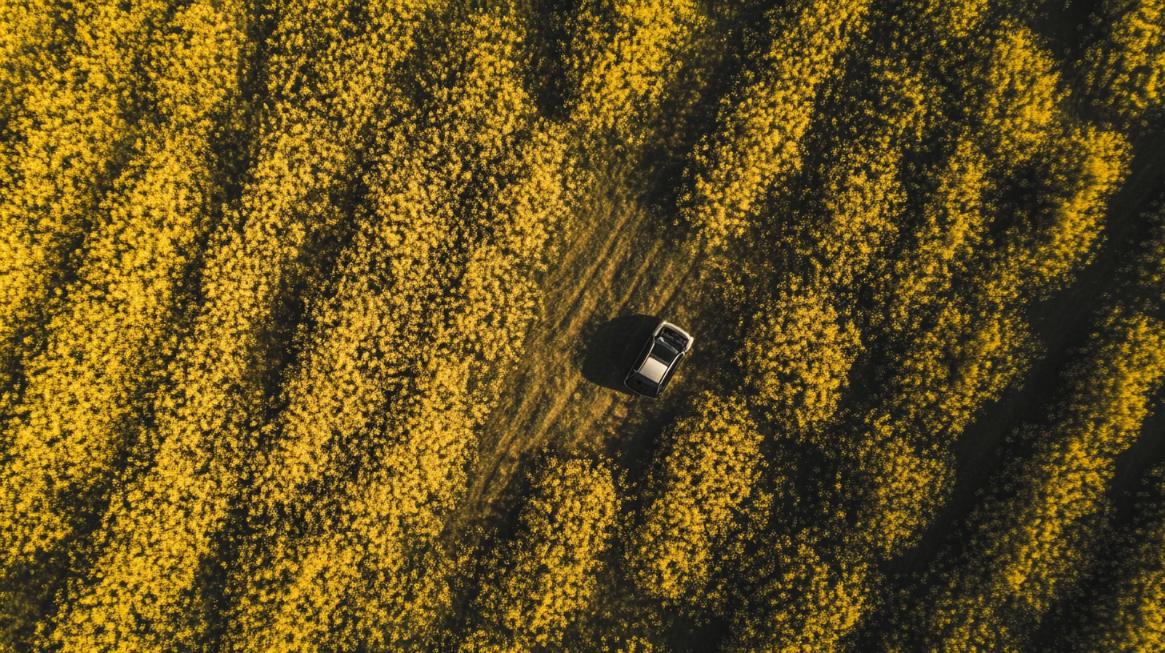
FRSH visual interpretation of tracks moving through a canola field

Long-form field-to-kitchen reading

Canola Research Library

Explore canola through the crop, harvested seed, processing, labels, cooking, nutrition questions, sustainability boundaries, foodservice, and what happens after use.

01Current data02Field context03Research04Decision tools

Start in the field

The research layer starts with what happens before the bottle.

These dossiers make the agriculture side visible: crop identity, rotation, soil, plant stages, weather variability, field pressure, harvest, seed handling, processing, labels, regions, sustainability boundaries, foodservice workflow, and after-use.

Read from the beginning of the chain or enter where your question starts. Each subject connects field reality to seed handling, processing, label limits, kitchen use, and the questions that remain open.

Crop identity deep dive

What Canola Oil Is, From Field to Bottle

Canola oil is best understood as a chain: an oilseed crop grown in fields, harvested as seed, handled and moved through a processing pathway, packaged as a product, and used for specific kitchen jobs.

Canola questions rarely stop at one stage. Crop conditions shape harvested seed; seed characteristics matter during processing; processing shapes the products sold; and the product in the bottle has to be understood in the context of an actual kitchen task.

This reading follows those connections while keeping distinct questions separate. Where a conclusion depends on product formulation, location, crop year, or individual health needs, that limit belongs beside the answer.

Field research

The deeper agriculture reads belong up front.

Crop identity deep dive

What Canola Oil Is, From Field to Bottle

Canola oil is best understood as a chain: an oilseed crop grown in fields, harvested as seed, handled and moved through a processing pathway, packaged as a product, and used for specific kitchen jobs.

The crop layer matters because it grounds the oil in plant identity, growing season, flowering, pods, mature seed, field conditions, and harvest context. That field story should help readers picture the ingredient, not make claims about a specific bottle.The processing layer matters because seed does not become cooking oil until receiving, preparation, oil separation, possible refining steps, packaging, and distribution create a usable product.The kitchen layer matters because most readers care about flavour, heat, texture, baking behavior, storage, freshness, budget, and whether the oil fits the job in front of them.
Read in context

Do not treat crop identity as proof of origin, endorsement, nutrition outcome, sustainability result, or product quality.

Read the full deep dive

The useful definition starts with the seed

A shallow definition says canola oil is a cooking oil. A better definition starts with the seed crop and follows the ingredient through harvest, handling, processing, packaging, and use. That sequence gives readers the mental model they need before they judge labels, compare oils, or react to online claims.

Why the field story matters

Field context adds reality: canola is planted, grows through visible stages, flowers, forms pods, matures, and is harvested as seed. But a field story is not a product certificate. A flowering-field photo, province name, or crop-stage phrase should never be used as proof of a bottle's origin or quality.

Why processing language needs translation

Many reader questions come from processing words. The useful approach is to separate seed preparation, oil separation, refining style, packaging, and shelf handling. Once those layers are separated, the explanation can explain what a word means without turning it into praise or alarm.

Deep reads

Long-form answers for the questions that need room.

Crop identity deep dive

What Canola Oil Is, From Field to Bottle

Canola oil is best understood as a chain: an oilseed crop grown in fields, harvested as seed, handled and moved through a processing pathway, packaged as a product, and used for specific kitchen jobs.

What is canola oil really, beyond the short definition?
Regional production deep dive

Prairie Canola Production Without Overclaiming

Prairie production context is useful when it explains field geography, weather variability, soil zones, harvest timing, and logistics while keeping product-origin, current-season, and official-sounding claims out of the copy.

How can a canola oil site discuss Prairie production without sounding like an official body?
Harvest-to-processing deep dive

Seed Handling Is the Missing Middle

Seed handling is the middle layer between the field and the processor: harvest timing, seed condition, storage, movement, receiving, cleaning, and preparation shape the story before oil separation begins.

Why does seed handling matter in a canola oil explanation?
Processing deep dive

Processing Language Without Theatre

Processing should be explained as a sequence of practical steps, with clear separation between what a term means, what a label says, and what the reader can infer in the kitchen.

How can processing be explained without sounding defensive or alarmist?
Public debate deep dive

Seed Oil Questions That Deserve Real Answers

Seed-oil pages should separate crop identity, processing, diet pattern, product style, cooking method, and personal context before answering. The reader deserves clarity, not slogans.

How should the site answer seed-oil concerns without sounding thin or combative?
Cooking science deep dive

Smoke Point and Heat Use in Real Kitchens

Smoke point is only one part of heat use. Product style, oil age, pan cleanliness, food particles, moisture, ventilation, equipment, and cooking method all shape what a cook experiences.

Why do smoke-point pages often feel shallow?
Systems deep dive

Sustainability Needs Boundaries

Sustainability depends on the boundary being discussed: soil, rotation, water, field pressure, processing, packaging, transport, storage, kitchen use, waste, and disposal can all change the answer.

Why is sustainability hard to answer in one sentence?
Label literacy deep dive

Labels, Origin, and What a Bottle Can Prove

A label can tell shoppers about product identity, ingredient language, package format, dates, and some marketing or preference terms, but it does not automatically verify every field, processing, sustainability, or origin claim a reader may infer.

What can a canola oil label actually tell a shopper?

Research lens

Crop identity and history

Use neutral crop-literacy references, plant-breeding context, and plain-language history before explaining the name or crop origin.

Where this matters

Help readers separate canola as a crop from cooking-oil performance, label preference, and online shorthand.

What it cannot answer alone

Do not turn crop history into a product-quality, sourcing, nutrition, or environmental conclusion.

Question to carry forward

Is the reader asking what canola is, why the name exists, or whether crop identity changes the kitchen decision?

When newer context matters

The answer may need new context when crop terminology, education language, or label vocabulary changes in the public conversation.

How to read the library

Start with the question, then follow the relevant part of the chain.