Skip to content
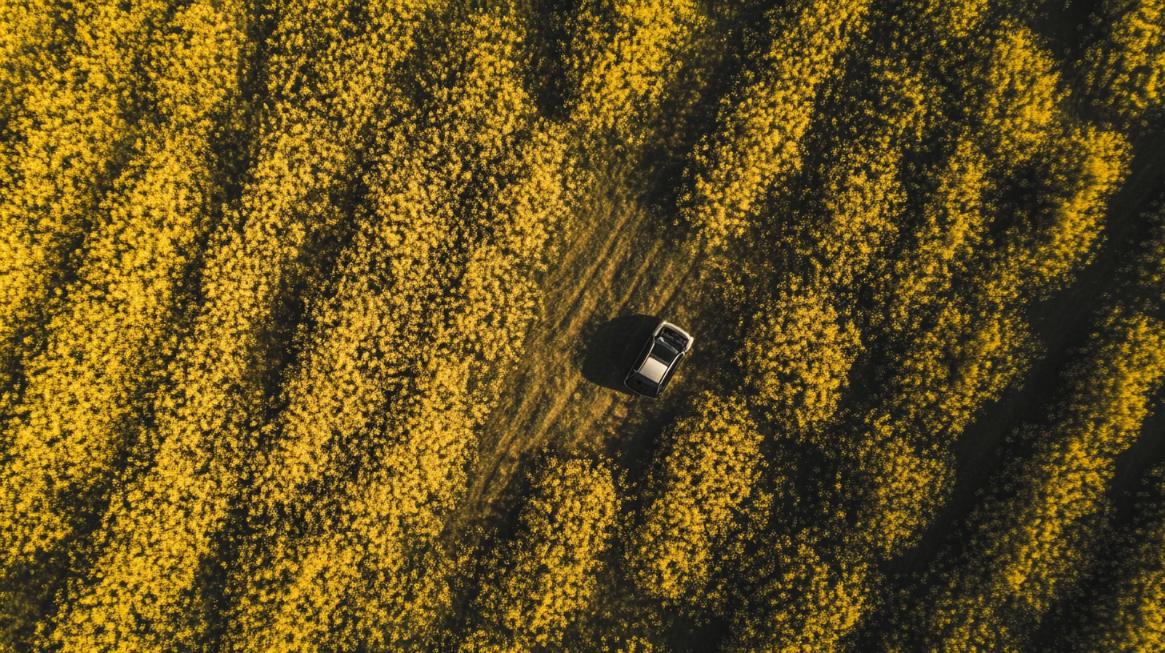
FRSH visual interpretation of tracks moving through a canola field

Agriculture research spine

Canola Field Research Desk

Substantive field-to-kitchen dossiers covering what can be observed, what changes through the chain, what matters in practice, and which questions remain open.

01Current data02Field context03Research04Decision tools

Dossier read

Crop Identity and the Seed Story

Help readers understand canola as a crop and seed before they judge a bottle, a label term, or an online argument.

Start in the field, where the subject can be observed as a crop, a stage, a pattern, a condition, or harvested seed. Then follow what changes during handling, processing, packaging, distribution, and use.

The physical material and the available evidence change together. Field observations, representative samples, processing records, product specifications, labels, and kitchen results each illuminate a different part of the canola system.

Crop identity dossier

Crop Identity and the Seed Story

Help readers understand canola as a crop and seed before they judge a bottle, a label term, or an online argument.

Canola should be introduced as an oilseed crop with a visible season, flowering stage, pod development, seed maturity, and post-harvest movement.The seed story explains where the oil chain begins, but it does not prove a product source, product quality, current lot condition, or finished-oil performance.The practical kitchen answer still depends on product style, freshness, storage, recipe role, heat method, and how much oil the cook actually uses.
Read the featured dossier

Start with the plant, not the package

The deep version of canola oil begins before the bottle. A reader should be able to picture an oilseed crop, a seed, and a chain of handling and processing before they are asked to think about labels, price, or recipe use.

Seed language needs boundaries

Seed is useful because it anchors the ingredient. It becomes risky when the page uses seed identity as proof about health, sustainability, origin, or performance. The dossier keeps those lanes separate.

The field story should make processing clearer

Processing is easier to understand when the reader already knows that harvested seed must be received, cleaned, prepared, separated into oil and meal streams, finished according to product style, and packaged for use.

Dossier library

Field files for the questions that need room.

Crop identity dossier

Crop Identity and the Seed Story

Help readers understand canola as a crop and seed before they judge a bottle, a label term, or an online argument.

Canola should be introduced as an oilseed crop with a visible season, flowering stage, pod development, seed maturity, and post-harvest movement.
Field-system dossier

Rotation, Soil, and Field History

Give readers a richer agricultural mental model without turning the site into agronomic advice.

Rotation, soil condition, residue, moisture movement, compaction, nutrients, field access, and previous crop context can all shape the field story.
Plant-stage dossier

Plant Growth, Flowering, and Pods

Turn familiar canola field imagery into useful crop literacy instead of decoration.

Seedling, leaf, canopy, flowering, pod, seed fill, maturity, and harvest-ready language can help readers understand the visible crop sequence.
Season variability dossier

Weather, Field Access, and Season Variability

Explain why canola production is practical and conditional without publishing current-condition claims.

Moisture, frost windows, heat, field access, harvest conditions, storage timing, and logistics can change the field story from season to season.
Field-pressure dossier

Field Pressure and Plant-Health Language

Make weeds, insects, residue, plant-health wording, and weather stress understandable without alarming consumers.

Field pressure can include weeds, insects, plant-health language, weather stress, residue questions, scouting vocabulary, crop stage, and local variability.
Harvest-to-processing dossier

Harvest, Seed Condition, and Storage

Fill the missing middle between the field image and the oil bottle.

Harvest timing, seed maturity, seed condition, storage, movement, receiving, cleaning, and preparation are the bridge from crop to processing.
Processing bridge dossier

Processing Pathway From Seed to Oil

Explain processing as a practical sequence instead of a slogan or argument.

Processing starts with seed that has been grown, harvested, moved, received, cleaned, and prepared.
Label evidence dossier

Label, Origin, and Product Identity

Teach shoppers what a label can say and what it cannot prove by itself.

Crop, region, seed stream, processor, packager, brand, retailer, and kitchen user can be separate layers in the product story.
Regional field dossier

Regional Production Without Statistics

Make regional canola context rich without relying on exact production claims or official-sounding posture.

Place, soil-zone language, moisture variability, frost windows, road distance, storage, movement, and processing access can shape the regional story.
Systems boundary dossier

Sustainability Boundary Map

Help readers ask a better sustainability question before comparing oils or products.

Soil, rotation, moisture, field pressure, field operations, biodiversity language, harvest, and regional context can all belong to the field side of the question.
Kitchen operations dossier

Foodservice Field-to-Fryer Workflow

Connect upstream oil-chain literacy to repeatable kitchen operations without becoming compliance advice.

Foodservice oil questions begin upstream with supply, product style, package format, receiving, storage, and turnover before the oil reaches a fryer or prep station.
Pantry-to-waste dossier

Home Kitchen Freshness and Waste Loop

Make the crop-to-kitchen story continue after purchase instead of ending at the bottle.

The field and processing story matters, but the household controls storage, turnover, recipe planning, amount, reuse decisions, containment, and disposal checks.
Public explanation dossier

Media, Educator, and Public Explanation

Give public explainers a reliable sequence, careful caveats, and useful routes without sounding like a campaign.

Public audiences need crop identity, field sequence, seed handling, processing, labels, kitchen use, storage, and waste in a clear order.

Research pathways

Follow observations into the larger canola system.

Observe, sample, follow, compare.

Begin with crop stage and spatial pattern, add representative measurements and records, then follow the material into handling, processing, products, markets, and use.

Open the Field Encyclopedia
13core dossiers

Continue from the core field files into audience-specific notebook perspectives.

8deep research pages

Read long-form explanations that connect field, process, product, and practical evidence.