Skip to content
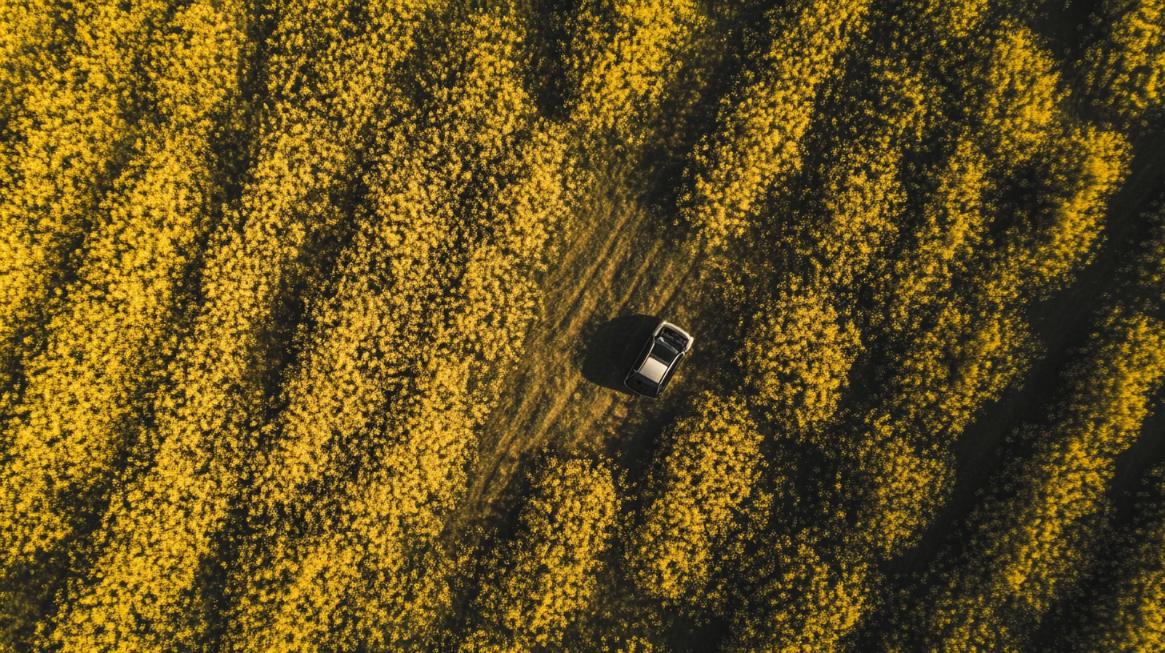
FRSH visual interpretation of tracks moving through a canola field

Public explanation dossier

Media, Educator, and Public Explanation

Give public explainers a reliable sequence, careful caveats, and useful routes without sounding like a campaign.

01Current data02Field context03Research04Decision tools

Agricultural context

Before it is an oil, canola is a crop.

This field research keeps the field-to-kitchen chain in view: seed, crop handling, processing style, packaging, storage, supply, and the way the oil is finally used.

CropSeparate crop identity, seed condition, handling, and product claims before drawing a kitchen conclusion.ProcessingAsk whether the claim is about seed preparation, oil separation, refining, packaging, storage, or the recipe itself.KitchenMedia, Educator, and Public Explanation decisions should come back to freshness, method, amount, equipment, storage, and waste.

The connecting thread

The bottle is one moment in a longer story.

Field conditions shape harvested seed; handling carries it forward; processing creates the oil; packaging and storage affect the product that finally reaches the kitchen.

Three useful questions

Carry the context into the next decision.

Start with the stage that matters, identify the information available there, and follow the material forward until it reaches the product or decision in front of you.

  1. Begin in the fieldIdentify the crop, season, seed, or handling context that belongs to the question.
  2. Follow the seedNotice where cleaning, oil separation, refining, packaging, or storage changes the story.
  3. Return to the decisionUse that context to make a clearer choice in the store, classroom, or kitchen.
Open the agriculture guide

Dossier read

Media, Educator, and Public Explanation

Give public explainers a reliable sequence, careful caveats, and useful routes without sounding like a campaign.

Start in the field, where the subject can be observed as a crop, a stage, a pattern, a condition, or harvested seed. Then follow what changes during handling, processing, packaging, distribution, and use.

The physical material and the available evidence change together. Field observations, representative samples, processing records, product specifications, labels, and kitchen results each illuminate a different part of the canola system.

Open questions

What still needs observation, comparison, or evidence.

01

What does this audience need before they read a deeper page?

02

Could the page look promotional, official, or institution-backed?

03

Which claim needs current reporting or expert review?

04

Which downloadable or classroom asset should this support?

Dossier chapters

Follow the subject through the system.

01

Public explainers need sequence

The strongest public explanation is not a pile of facts. It is a sequence: crop, seed, handling, processing, label, shelf, kitchen, storage, and waste.

02

Tone matters

Media and educator pages should be calm, independent, and useful. They should avoid campaign language, fake authority, and defensive framing.

03

A classroom page is not a promotion

Educational explanation should invite questions, define vocabulary, and show boundaries. It should not imply curriculum approval, expert endorsement, or institutional backing.

04

Media pages need refresh discipline

Public stories can change quickly when health, market, policy, environmental, or production claims enter the conversation. a useful answer should route those claims to review.

05

The editorial move

Use public explanation dossiers to create better briefs, downloads, classroom prompts, and media background pages while keeping independence visible.

Continue the research trail

Move into the connected crop, process, product, or kitchen subject.

These selected guides continue the question through the next stage of the canola system.