Skip to content
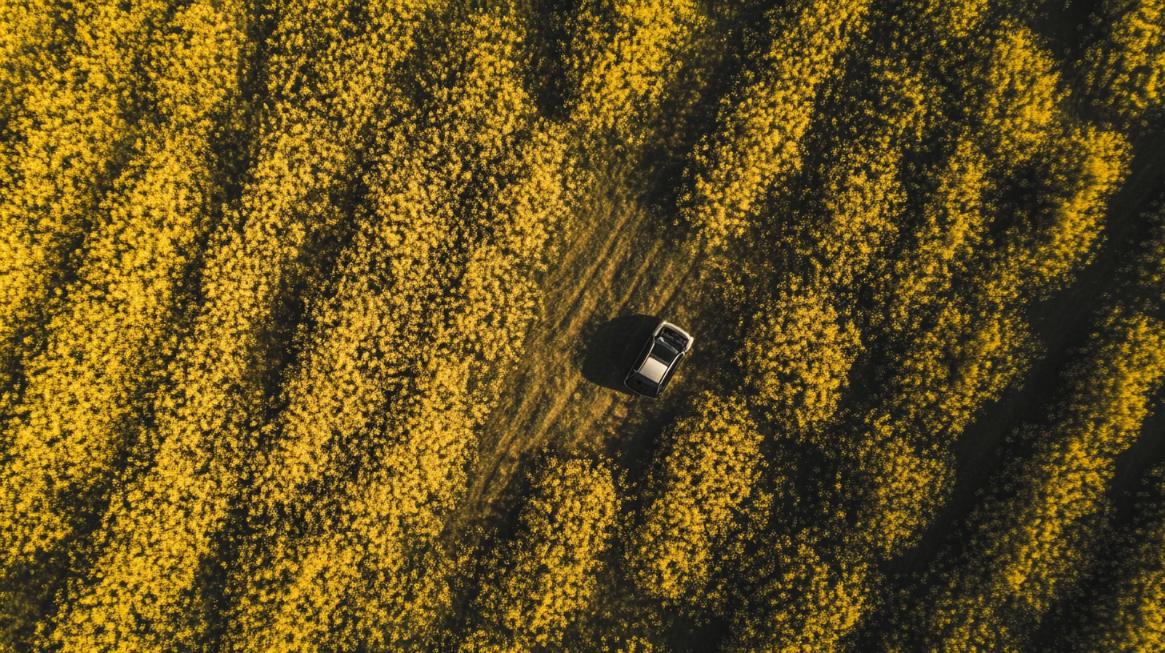
FRSH visual interpretation of tracks moving through a canola field

Pantry-to-waste dossier

Home Kitchen Freshness and Waste Loop

Make the crop-to-kitchen story continue after purchase instead of ending at the bottle.

01Current data02Field context03Research04Decision tools

Agricultural context

Before it is an oil, canola is a crop.

This field research keeps the field-to-kitchen chain in view: seed, crop handling, processing style, packaging, storage, supply, and the way the oil is finally used.

CropSeparate crop identity, seed condition, handling, and product claims before drawing a kitchen conclusion.ProcessingAsk whether the claim is about seed preparation, oil separation, refining, packaging, storage, or the recipe itself.KitchenHome Kitchen Freshness and Waste Loop decisions should come back to freshness, method, amount, equipment, storage, and waste.

The connecting thread

The bottle is one moment in a longer story.

Field conditions shape harvested seed; handling carries it forward; processing creates the oil; packaging and storage affect the product that finally reaches the kitchen.

Three useful questions

Carry the context into the next decision.

Start with the stage that matters, identify the information available there, and follow the material forward until it reaches the product or decision in front of you.

  1. Begin in the fieldIdentify the crop, season, seed, or handling context that belongs to the question.
  2. Follow the seedNotice where cleaning, oil separation, refining, packaging, or storage changes the story.
  3. Return to the decisionUse that context to make a clearer choice in the store, classroom, or kitchen.
Open the agriculture guide

Dossier read

Home Kitchen Freshness and Waste Loop

Make the crop-to-kitchen story continue after purchase instead of ending at the bottle.

Start in the field, where the subject can be observed as a crop, a stage, a pattern, a condition, or harvested seed. Then follow what changes during handling, processing, packaging, distribution, and use.

The physical material and the available evidence change together. Field observations, representative samples, processing records, product specifications, labels, and kitchen results each illuminate a different part of the canola system.

Open questions

What still needs observation, comparison, or evidence.

01

Does the page give the reader a practical freshness action?

02

Is used-oil language cautious and local-aware?

03

Does bottle-size guidance avoid price or availability claims?

04

Where should the reader go for storage, budget, or local disposal questions?

Dossier chapters

Follow the subject through the system.

01

The chain continues in the pantry

Canola oil does not stop being a system after purchase. Package size, storage location, turnover, recipe habits, and after-use decisions all shape the reader's experience.

02

Freshness is a practical behavior

the explanation can teach readers to buy a size they can use, keep the bottle closed, store it away from heat and bright light, and pay attention to aroma and flavour changes.

03

Used oil needs care

After cooking, the reader needs calm steps: cool before handling, contain it properly, avoid pouring oil where it does not belong, and check local options when disposal is uncertain.

04

Waste belongs in the canola story

A strong agriculture-first site follows the ingredient through the kitchen loop. Waste reduction is a practical reader action, not a broad environmental claim.

05

The editorial move

Use freshness and waste to connect field, shelf, recipe, budget, local pages, and sustainability factors in a way readers can act on.

Continue the research trail

Move into the connected crop, process, product, or kitchen subject.

These selected guides continue the question through the next stage of the canola system.