Skip to content
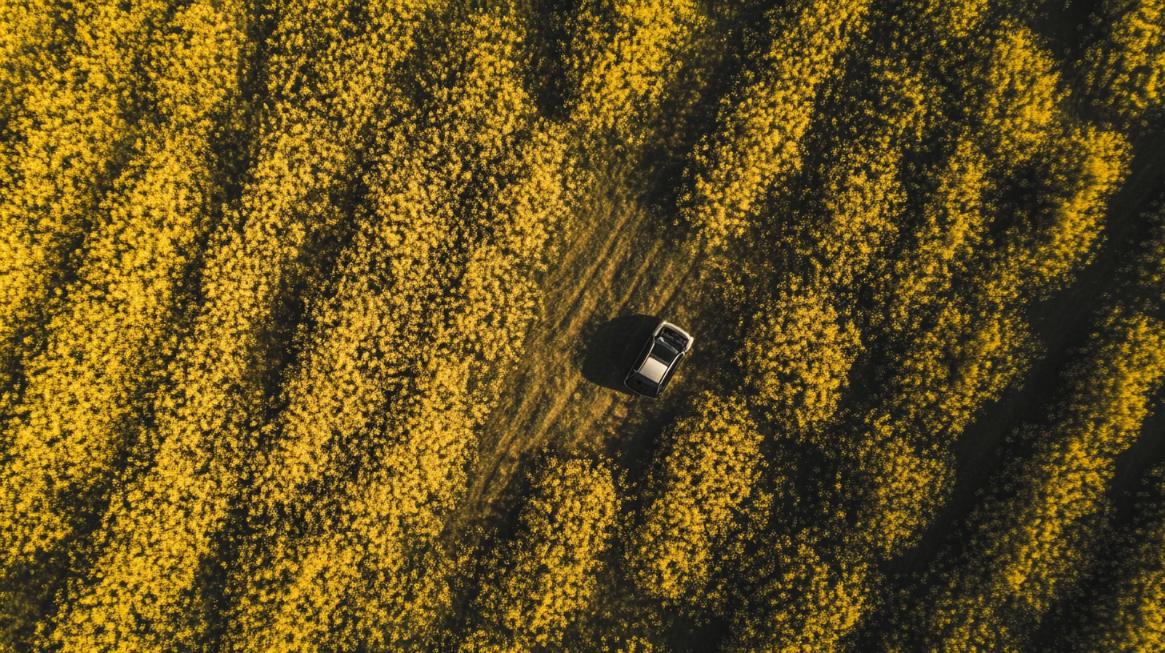
FRSH visual interpretation of tracks moving through a canola field

Systems boundary dossier

Sustainability Boundary Map

Help readers ask a better sustainability question before comparing oils or products.

01Current data02Field context03Research04Decision tools

Agricultural context

Before it is an oil, canola is a crop.

This field research keeps the field-to-kitchen chain in view: seed, crop handling, processing style, packaging, storage, supply, and the way the oil is finally used.

CropSeparate crop identity, seed condition, handling, and product claims before drawing a kitchen conclusion.ProcessingAsk whether the claim is about seed preparation, oil separation, refining, packaging, storage, or the recipe itself.KitchenSustainability Boundary Map decisions should come back to freshness, method, amount, equipment, storage, and waste.

The connecting thread

The bottle is one moment in a longer story.

Field conditions shape harvested seed; handling carries it forward; processing creates the oil; packaging and storage affect the product that finally reaches the kitchen.

Three useful questions

Carry the context into the next decision.

Start with the stage that matters, identify the information available there, and follow the material forward until it reaches the product or decision in front of you.

  1. Begin in the fieldIdentify the crop, season, seed, or handling context that belongs to the question.
  2. Follow the seedNotice where cleaning, oil separation, refining, packaging, or storage changes the story.
  3. Return to the decisionUse that context to make a clearer choice in the store, classroom, or kitchen.
Open the agriculture guide

Dossier read

Sustainability Boundary Map

Help readers ask a better sustainability question before comparing oils or products.

Start in the field, where the subject can be observed as a crop, a stage, a pattern, a condition, or harvested seed. Then follow what changes during handling, processing, packaging, distribution, and use.

The physical material and the available evidence change together. Field observations, representative samples, processing records, product specifications, labels, and kitchen results each illuminate a different part of the canola system.

Open questions

What still needs observation, comparison, or evidence.

01

Which boundary is the page discussing?

02

What is outside the boundary?

03

Is the page ranking oils from one factor?

04

Which practical action can the reader control?

Dossier chapters

Follow the subject through the system.

01

Name the boundary first

Sustainability cannot be handled as one loose adjective. A useful page names whether it is discussing field production, processing, packaging, transport, storage, use, waste, or local disposal.

02

Field context is necessary but incomplete

Rotation, soil, water movement, and field pressure help explain the crop. They do not automatically settle product comparisons or environmental claims.

03

Kitchen waste deserves more attention

Buying more oil than a household or kitchen can use well creates a practical waste issue. Storage, bottle size, turnover, and disposal planning are reader actions readers can support.

04

Comparisons need a defined frame

If a page compares oils, it should say what dimension is being compared and avoid treating one boundary as the whole answer.

05

The editorial move

Use boundary-first sustainability writing, then route environmental comparisons and local disposal guidance to review.

Continue the research trail

Move into the connected crop, process, product, or kitchen subject.

These selected guides continue the question through the next stage of the canola system.