Skip to content
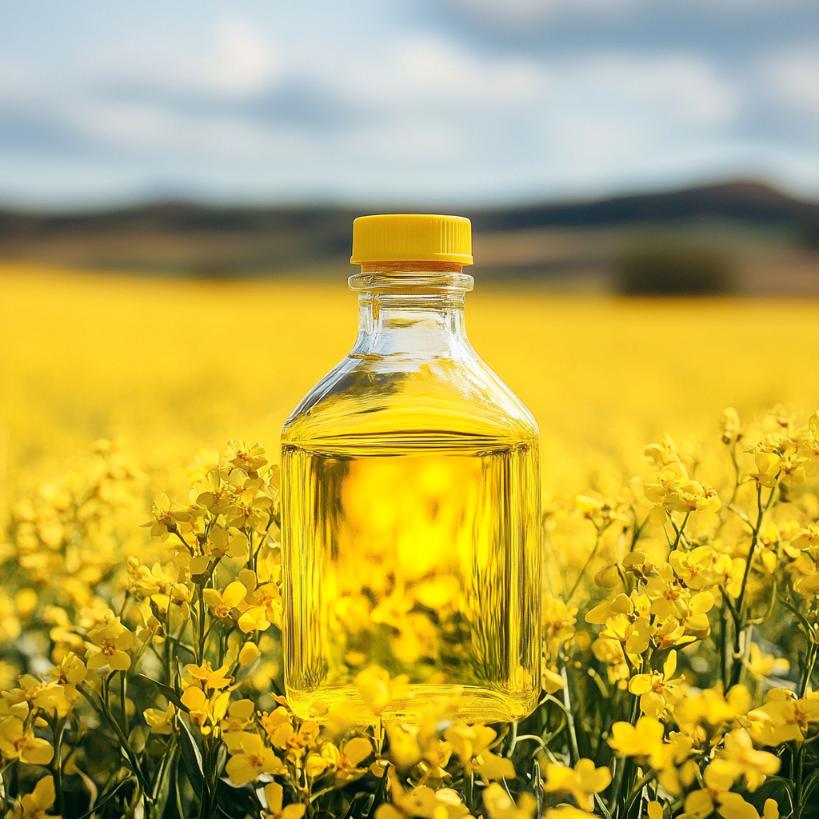
FRSH visual interpretation of canola oil among flowering canola

Field-pressure dossier

Field Pressure and Plant-Health Language

Make weeds, insects, residue, plant-health wording, and weather stress understandable without alarming consumers.

01Composition02Product context03Everyday use04Careful claims

Agricultural context

Before it is an oil, canola is a crop.

This field research keeps the field-to-kitchen chain in view: seed, crop handling, processing style, packaging, storage, supply, and the way the oil is finally used.

CropSeparate crop identity, seed condition, handling, and product claims before drawing a kitchen conclusion.ProcessingAsk whether the claim is about seed preparation, oil separation, refining, packaging, storage, or the recipe itself.KitchenField Pressure and Plant-Health Language decisions should come back to freshness, method, amount, equipment, storage, and waste.

The connecting thread

The bottle is one moment in a longer story.

Field conditions shape harvested seed; handling carries it forward; processing creates the oil; packaging and storage affect the product that finally reaches the kitchen.

Three useful questions

Carry the context into the next decision.

Start with the stage that matters, identify the information available there, and follow the material forward until it reaches the product or decision in front of you.

  1. Begin in the fieldIdentify the crop, season, seed, or handling context that belongs to the question.
  2. Follow the seedNotice where cleaning, oil separation, refining, packaging, or storage changes the story.
  3. Return to the decisionUse that context to make a clearer choice in the store, classroom, or kitchen.
Open the agriculture guide

Dossier read

Field Pressure and Plant-Health Language

Make weeds, insects, residue, plant-health wording, and weather stress understandable without alarming consumers.

Start in the field, where the subject can be observed as a crop, a stage, a pattern, a condition, or harvested seed. Then follow what changes during handling, processing, packaging, distribution, and use.

The physical material and the available evidence change together. Field observations, representative samples, processing records, product specifications, labels, and kitchen results each illuminate a different part of the canola system.

Open questions

What still needs observation, comparison, or evidence.

01

Is the page explaining field vocabulary or implying a consumer concern?

02

Could the reader confuse field pressure with finished-oil safety?

03

Does the copy route sensitive wording through claim review?

04

What practical next page would reduce confusion?

Dossier chapters

Follow the subject through the system.

01

Field pressure needs calm language

Words around weeds, insects, residue, and plant health can make readers jump to conclusions. A research-quality page explains the vocabulary without turning field complexity into consumer alarm.

02

Plant-health language is not product evidence

A canola field can face pressures during a season. That statement does not tell a reader what is in a bottle, how a product was processed, or how it will behave in a recipe.

03

The useful bridge is editorial discipline

a useful answer should say where the topic belongs in the chain and which inferences are not supported. This is where readers can be strong without sounding defensive.

04

Media pages need extra care

A single field-pressure phrase can travel poorly in a headline or classroom summary. The dossier should give safe wording, related routes, and review triggers.

05

The editorial move

Use field pressure to teach crop realism, then route safety, health, sustainability, and label assumptions to evidence specific to the question.

Continue the research trail

Move into the connected crop, process, product, or kitchen subject.

These selected guides continue the question through the next stage of the canola system.