Skip to content
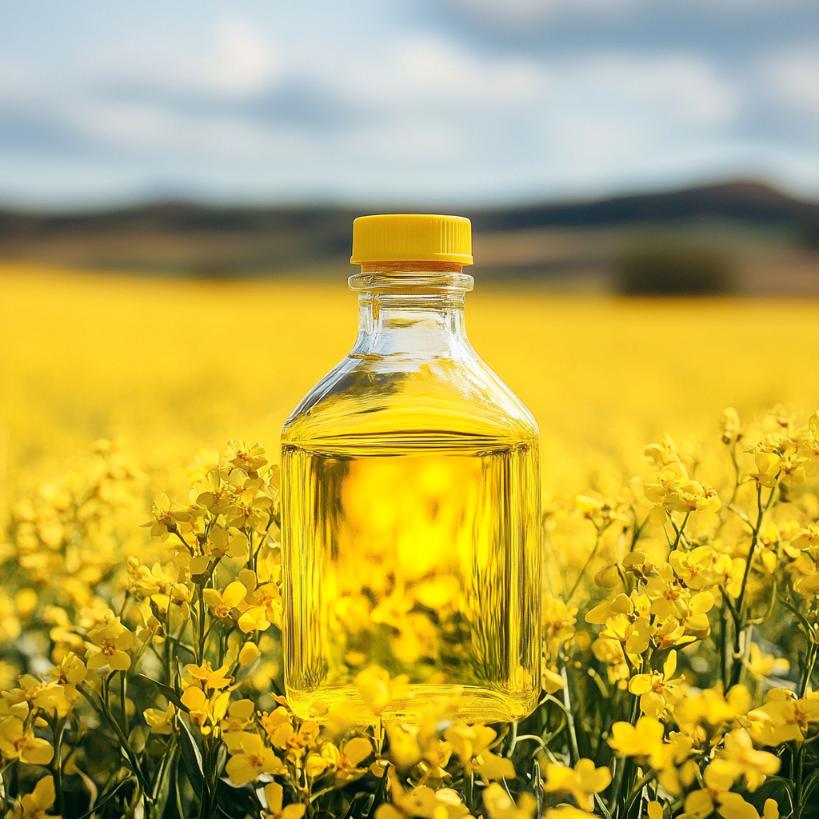
FRSH visual interpretation of canola oil among flowering canola

Reading a crop under pressure

Canola Field Pressure and Plant Health Context

Weeds, insects, plant health, and weather stress belong to the field story. Learn what those terms describe, why crop stage matters, and why a field observation is not automatically a statement about the finished oil.

01Composition02Product context03Everyday use04Careful claims

Field literacy

Field pressure starting point

What does field pressure help a canola oil reader understand?

Field context

Field pressure is a plain-language way to discuss weeds, insects, disease-risk wording, weather stress, residue questions, and plant-health context without diagnosing a field.

Oil-chain bridge

Use pressure context upstream, then separate it from harvested seed condition, processing, labels, storage, kitchen use, and waste.

Media or kitchen meaning

Field pressure can make the crop story more realistic, but it does not tell a shopper anything direct about a finished bottle.

Review cue

Review when copy names a pest, disease, pesticide, region, current season, supplier, or product conclusion.

Pressure map

Explain field complexity without advice or alarm.

A field observation needs a time, place, and crop stage.

Weeds, insects, plant-health terms, weather stress, residue questions, and scouting vocabulary make the crop story real. They should remain distinct from food-safety, label, product-quality, and finished-oil claims.

Follow the crop stages
Fieldrotation context

Place a pressure question within the field history and sequence of crops around canola.

25growth-stage topics

See how seedling, flowering, pod, seed-fill, maturity, and harvest context change what an observation means.

10evidence classes

Separate field-pressure observations from questions about residue, food safety, finished products, and environmental comparisons.

Keep the scope clear

  • Use field-pressure records to explain canola crop context, not to diagnose fields or provide control instructions.
  • Separate pressure language, local season, scouting, crop stage, seed condition, processing, labels, kitchen use, and waste before making claims.
  • Do not use pressure language as proof of farm practice, food safety, product quality, sustainability outcome, or finished-oil performance.
  • Route current-season pressure, field photos, pesticide wording, residue wording, supplier claims, and measurable outcomes to review before publication.