Skip to content
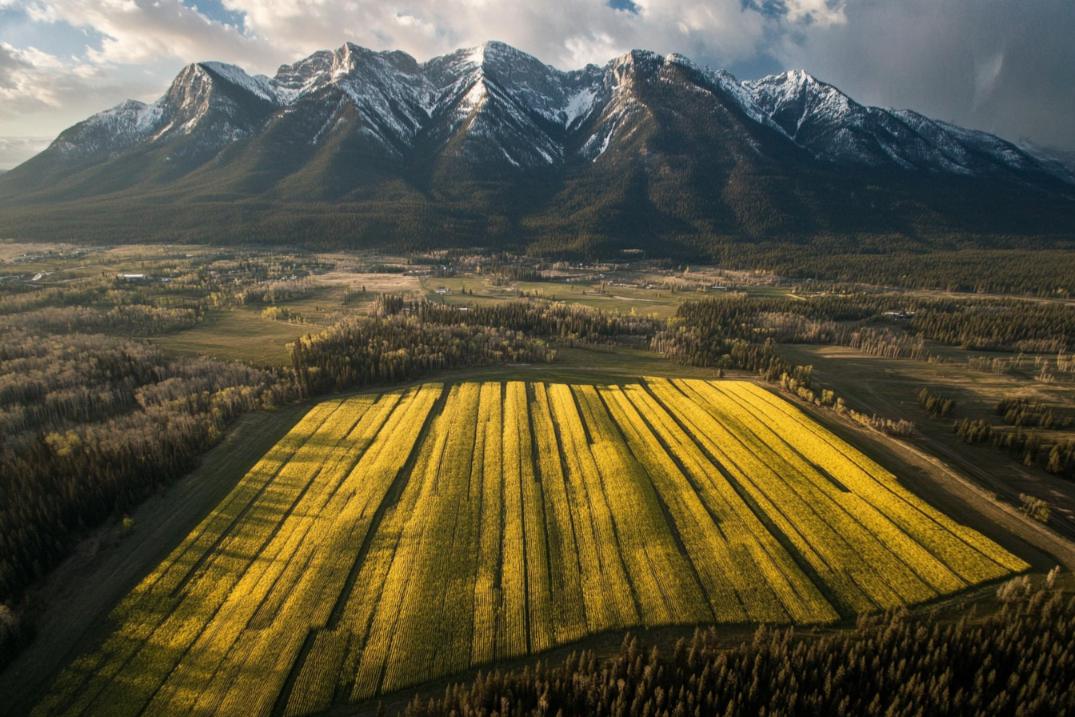
FRSH visual interpretation of Canadian canola fields

Different questions need different proof

How to Evaluate Canola Evidence

Choose a question type to see which evidence can answer it, what a proportionate conclusion sounds like, and which variables can change the result.

01Plant and seed02Canadian fields03Oil and meal04Food and markets

Question family

Health and nutrition

Neutral health, nutrition, food-composition, or product-label evidence before any specific nutrition statement.

What it can answer

General diet-context education, portion awareness, and reminders that one oil does not determine diet quality.

Proportionate conclusion

Canola oil can fit into many eating patterns when used with portion awareness.

What changes the answer

The answer changes with the exact product, amount, replacement food, overall eating pattern, population, outcome measured, study design, and individual health context.

Interpretation limit

Population research, food-composition data, product labels, dietary guidance, and personal clinical advice answer different levels of the question.

Research literacy

Start with the question, then choose the evidence.

A source can be credible and still answer the wrong question.

A field trial, laboratory analysis, product label, recipe test, market quote, lifecycle model, and clinical study each observe different things. Authority comes from matching the method, scale, comparison, date, and conclusion.

Explore the research library
Claimsquestion desk

Apply evidence, scope, comparison, and uncertainty to common canola and seed-oil questions.

10evidence families

See how this publication separates current facts, stable explanations, practical observations, and uncertain conclusions.