Skip to content
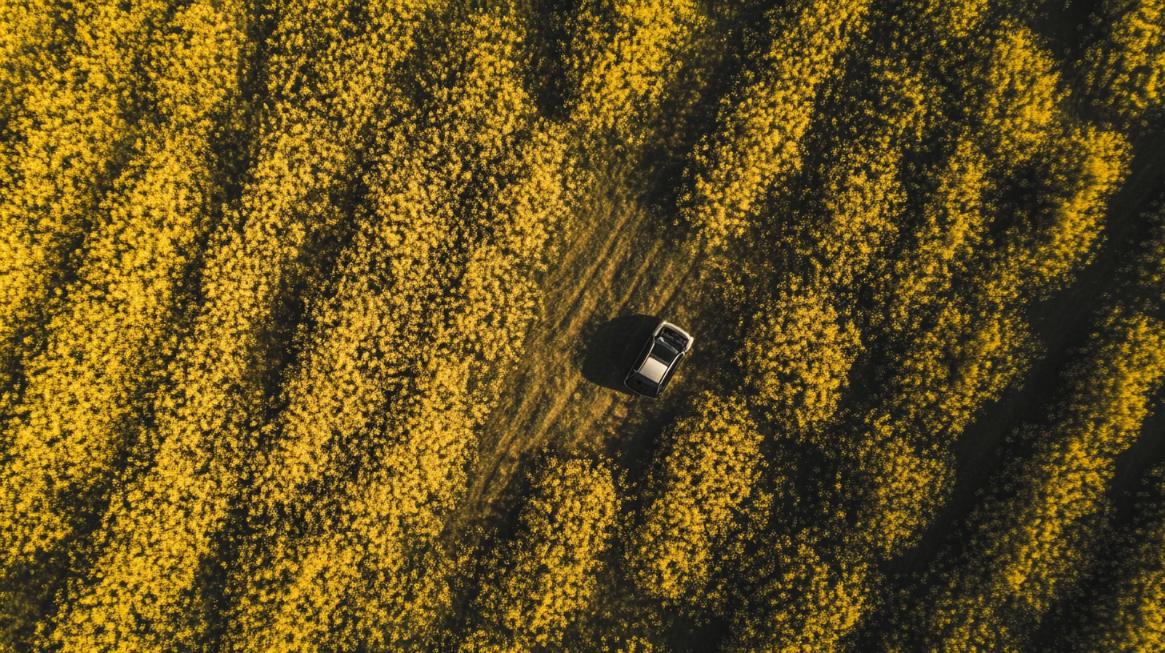
FRSH visual interpretation of tracks moving through a canola field

Crop identity dossier

Crop Identity and the Seed Story

Help readers understand canola as a crop and seed before they judge a bottle, a label term, or an online argument.

01Current data02Field context03Research04Decision tools

Agricultural context

Before it is an oil, canola is a crop.

This field research keeps the field-to-kitchen chain in view: seed, crop handling, processing style, packaging, storage, supply, and the way the oil is finally used.

CropSeparate crop identity, seed condition, handling, and product claims before drawing a kitchen conclusion.ProcessingAsk whether the claim is about seed preparation, oil separation, refining, packaging, storage, or the recipe itself.KitchenCrop Identity and the Seed Story decisions should come back to freshness, method, amount, equipment, storage, and waste.

The connecting thread

The bottle is one moment in a longer story.

Field conditions shape harvested seed; handling carries it forward; processing creates the oil; packaging and storage affect the product that finally reaches the kitchen.

Three useful questions

Carry the context into the next decision.

Start with the stage that matters, identify the information available there, and follow the material forward until it reaches the product or decision in front of you.

  1. Begin in the fieldIdentify the crop, season, seed, or handling context that belongs to the question.
  2. Follow the seedNotice where cleaning, oil separation, refining, packaging, or storage changes the story.
  3. Return to the decisionUse that context to make a clearer choice in the store, classroom, or kitchen.
Open the agriculture guide

Dossier read

Crop Identity and the Seed Story

Help readers understand canola as a crop and seed before they judge a bottle, a label term, or an online argument.

Start in the field, where the subject can be observed as a crop, a stage, a pattern, a condition, or harvested seed. Then follow what changes during handling, processing, packaging, distribution, and use.

The physical material and the available evidence change together. Field observations, representative samples, processing records, product specifications, labels, and kitchen results each illuminate a different part of the canola system.

Open questions

What still needs observation, comparison, or evidence.

01

Is the page explaining crop identity or making a product claim?

02

Does the seed language help the reader understand processing without implying verification?

03

Which label terms need to stay separate from the crop story?

04

What practical kitchen decision follows from the explanation?

Dossier chapters

Follow the subject through the system.

01

Start with the plant, not the package

The deep version of canola oil begins before the bottle. A reader should be able to picture an oilseed crop, a seed, and a chain of handling and processing before they are asked to think about labels, price, or recipe use.

02

Seed language needs boundaries

Seed is useful because it anchors the ingredient. It becomes risky when the explanation uses seed identity as proof about health, sustainability, origin, or performance. The dossier keeps those lanes separate.

03

The field story should make processing clearer

Processing is easier to understand when the reader already knows that harvested seed must be received, cleaned, prepared, separated into oil and meal streams, finished according to product style, and packaged for use.

04

The kitchen question is narrower

Most readers do not need a full crop manual. They need to know whether the oil fits the recipe job, whether the product is fresh, and whether another fat would serve a stronger flavour or texture purpose.

05

The editorial move

Use crop identity as context, then continue into processing, labels, cooking, or evidence specific to the claim depending on what they are trying to decide.

Continue the research trail

Move into the connected crop, process, product, or kitchen subject.

These selected guides continue the question through the next stage of the canola system.