Skip to content
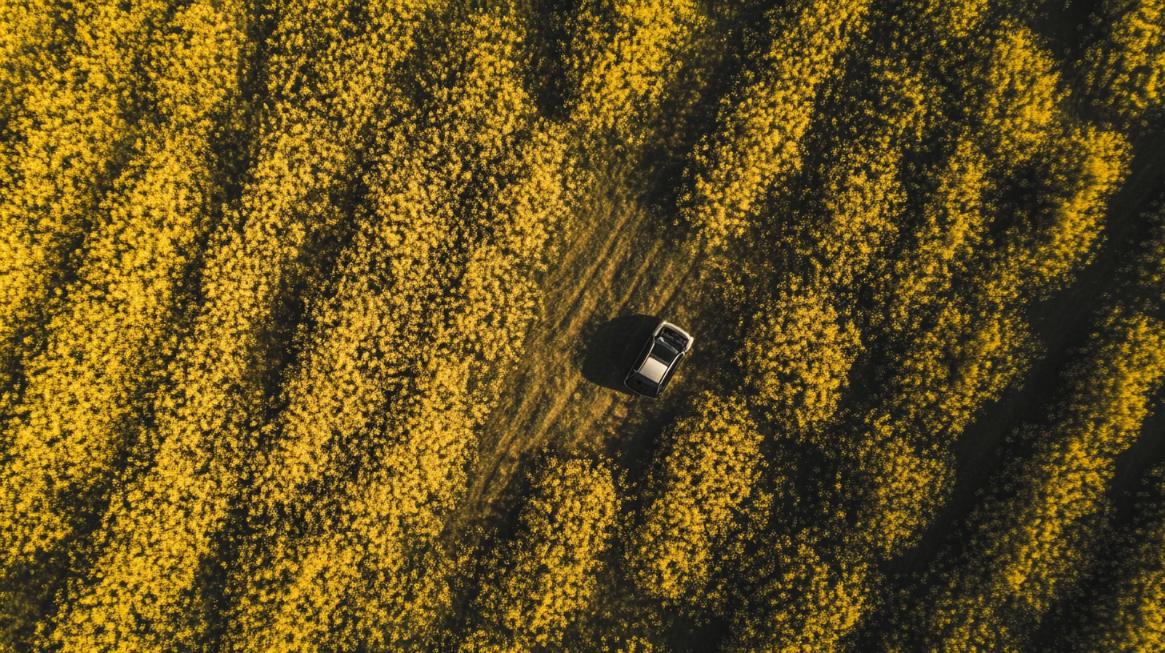
FRSH visual interpretation of tracks moving through a canola field

Crop identity deep dive

What Canola Oil Is, From Field to Bottle

Canola oil is best understood as a chain: an oilseed crop grown in fields, harvested as seed, handled and moved through a processing pathway, packaged as a product, and used for specific kitchen jobs.

01Current data02Field context03Research04Decision tools

Agricultural context

Before it is an oil, canola is a crop.

This deep research keeps the field-to-kitchen chain in view: seed, crop handling, processing style, packaging, storage, supply, and the way the oil is finally used.

CropSeparate crop identity, seed condition, handling, and product claims before drawing a kitchen conclusion.ProcessingAsk whether the claim is about seed preparation, oil separation, refining, packaging, storage, or the recipe itself.KitchenWhat Canola Oil Is, From Field to Bottle decisions should come back to freshness, method, amount, equipment, storage, and waste.

The connecting thread

The bottle is one moment in a longer story.

Field conditions shape harvested seed; handling carries it forward; processing creates the oil; packaging and storage affect the product that finally reaches the kitchen.

Three useful questions

Carry the context into the next decision.

Start with the stage that matters, identify the information available there, and follow the material forward until it reaches the product or decision in front of you.

  1. Begin in the fieldIdentify the crop, season, seed, or handling context that belongs to the question.
  2. Follow the seedNotice where cleaning, oil separation, refining, packaging, or storage changes the story.
  3. Return to the decisionUse that context to make a clearer choice in the store, classroom, or kitchen.
Open the agriculture guide

Crop identity deep dive

What Canola Oil Is, From Field to Bottle

Canola oil is best understood as a chain: an oilseed crop grown in fields, harvested as seed, handled and moved through a processing pathway, packaged as a product, and used for specific kitchen jobs.

Canola questions rarely stop at one stage. Crop conditions shape harvested seed; seed characteristics matter during processing; processing shapes the products sold; and the product in the bottle has to be understood in the context of an actual kitchen task.

This reading follows those connections while keeping distinct questions separate. Where a conclusion depends on product formulation, location, crop year, or individual health needs, that limit belongs beside the answer.

Reader question

What is canola oil really, beyond the short definition?

How to read the evidence

Use stable crop-literacy, processing-literacy, label-literacy, and kitchen-use references. Avoid exact production, market, health, or environmental claims unless they pass separate review.

Deep read

The useful version of the answer.

01

The useful definition starts with the seed

A shallow definition says canola oil is a cooking oil. A better definition starts with the seed crop and follows the ingredient through harvest, handling, processing, packaging, and use. That sequence gives readers the mental model they need before they judge labels, compare oils, or react to online claims.

02

Why the field story matters

Field context adds reality: canola is planted, grows through visible stages, flowers, forms pods, matures, and is harvested as seed. But a field story is not a product certificate. A flowering-field photo, province name, or crop-stage phrase should never be used as proof of a bottle's origin or quality.

03

Why processing language needs translation

Many reader questions come from processing words. The useful approach is to separate seed preparation, oil separation, refining style, packaging, and shelf handling. Once those layers are separated, the explanation can explain what a word means without turning it into praise or alarm.

04

The kitchen decision is narrower than the debate

For home cooks, the practical question is usually specific: will this oil stay neutral in muffins, work in a skillet, support crisping, fit a dressing, or make sense for budget cooking? Deep pages should bring the reader back to those jobs after explaining the crop and processing chain.

Read in context

What changes the answer.

Do not treat crop identity as proof of origin, endorsement, nutrition outcome, sustainability result, or product quality.

The answer may need new context when public terminology, label wording, processing claims, or field-origin language changes.