Skip to content
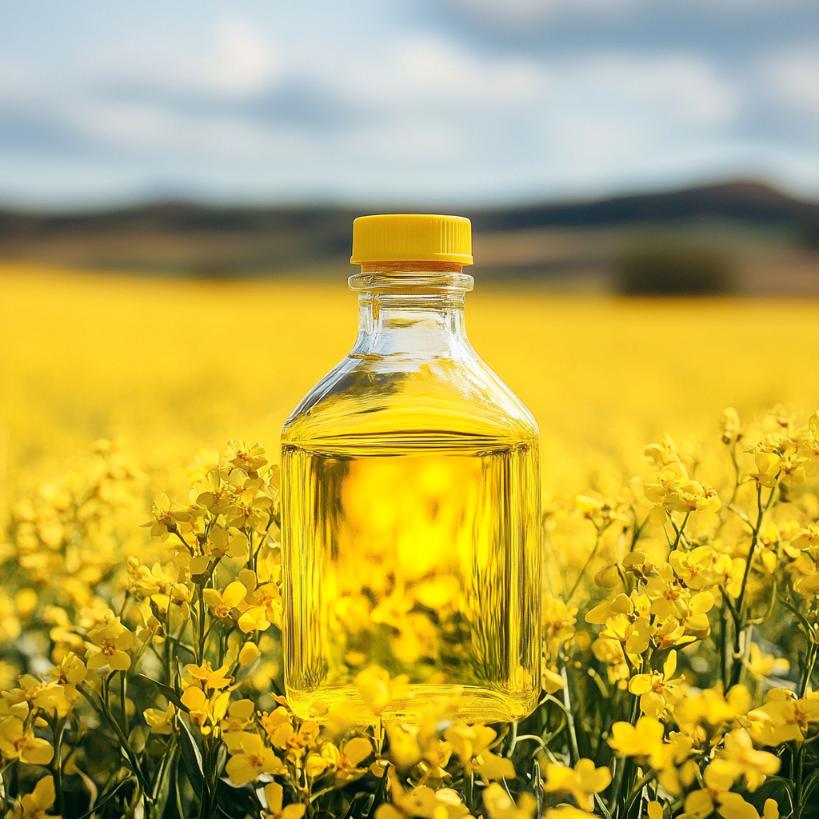
FRSH visual interpretation of canola oil among flowering canola

Public debate deep dive

Seed Oil Questions That Deserve Real Answers

Seed-oil pages should separate crop identity, processing, diet pattern, product style, cooking method, and personal context before answering. The reader deserves clarity, not slogans.

01Composition02Product context03Everyday use04Careful claims

Agricultural context

Before it is an oil, canola is a crop.

This deep research keeps the field-to-kitchen chain in view: seed, crop handling, processing style, packaging, storage, supply, and the way the oil is finally used.

CropSeparate crop identity, seed condition, handling, and product claims before drawing a kitchen conclusion.ProcessingAsk whether the claim is about seed preparation, oil separation, refining, packaging, storage, or the recipe itself.KitchenSeed Oil Questions That Deserve Real Answers decisions should come back to freshness, method, amount, equipment, storage, and waste.

The connecting thread

The bottle is one moment in a longer story.

Field conditions shape harvested seed; handling carries it forward; processing creates the oil; packaging and storage affect the product that finally reaches the kitchen.

Three useful questions

Carry the context into the next decision.

Start with the stage that matters, identify the information available there, and follow the material forward until it reaches the product or decision in front of you.

  1. Begin in the fieldIdentify the crop, season, seed, or handling context that belongs to the question.
  2. Follow the seedNotice where cleaning, oil separation, refining, packaging, or storage changes the story.
  3. Return to the decisionUse that context to make a clearer choice in the store, classroom, or kitchen.
Open the agriculture guide

Public debate deep dive

Seed Oil Questions That Deserve Real Answers

Seed-oil pages should separate crop identity, processing, diet pattern, product style, cooking method, and personal context before answering. The reader deserves clarity, not slogans.

Canola questions rarely stop at one stage. Crop conditions shape harvested seed; seed characteristics matter during processing; processing shapes the products sold; and the product in the bottle has to be understood in the context of an actual kitchen task.

This reading follows those connections while keeping distinct questions separate. Where a conclusion depends on product formulation, location, crop year, or individual health needs, that limit belongs beside the answer.

Reader question

How should the site answer seed-oil concerns without sounding thin or combative?

How to read the evidence

Use neutral, caveated language. Avoid disease-outcome claims, alarm framing, personal-result promises, or one-ingredient moral framing.

Deep read

The useful version of the answer.

01

Start by naming the real question

A reader asking about seed oils may be asking about processing, omega fats, inflammation discourse, frying, ultra-processed foods, weight, personal symptoms, or internet trust. a complete explanation should sort the question before answering.

02

Do not make the crop carry the health claim

Crop identity helps explain where the ingredient comes from, but it should not be used as a nutrition conclusion. Health wording belongs in cautious diet context and should point readers to professional advice for personal decisions.

03

Processing concerns need specific answers

A useful page explains which processing word is being discussed and what it can or cannot tell the reader. Vague concern about processing should be replaced with clear label, product-style, freshness, and cooking-method questions.

04

The kitchen answer is usually practical

For many readers, the action is not ideological. It is choosing fresh oil, storing it well, matching it to the method, using a suitable amount, and keeping the whole meal pattern in view.

Read in context

What changes the answer.

Do not claim canola oil changes personal health outcomes or belongs in medical guidance.

The answer may need new context when seed-oil discourse shifts, when health claims appear, or when a page compares dietary outcomes.