Skip to content
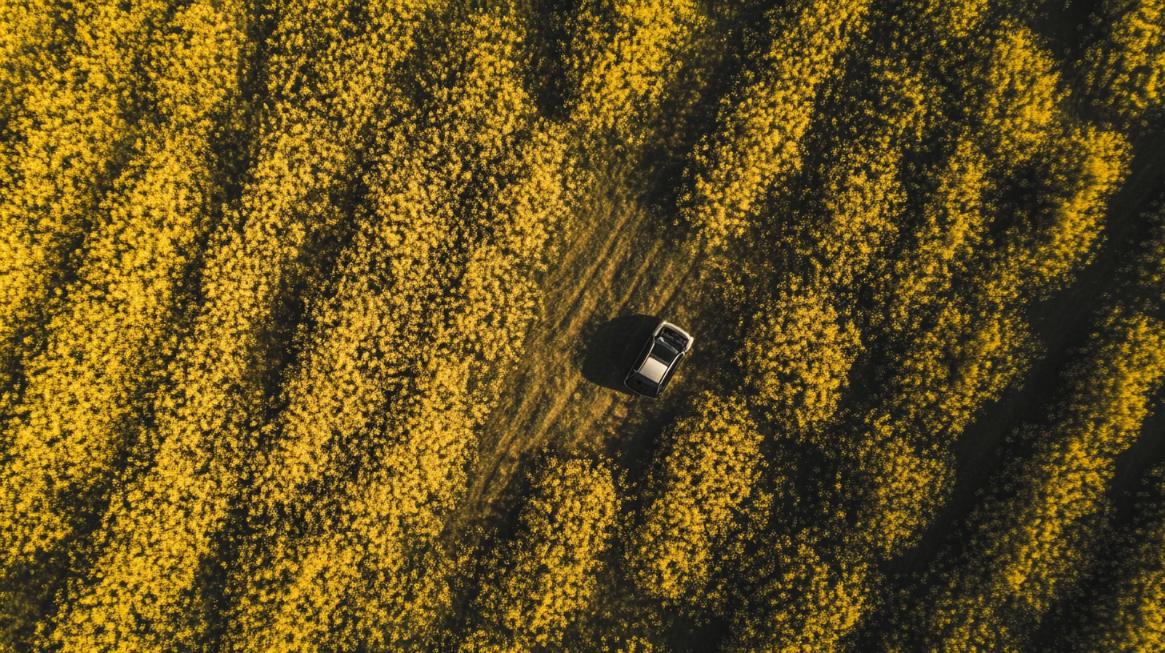
FRSH visual interpretation of tracks moving through a canola field

Regional production deep dive

Prairie Canola Production Without Overclaiming

Prairie production context is useful when it explains field geography, weather variability, soil zones, harvest timing, and logistics while keeping product-origin, current-season, and official-sounding claims out of the copy.

01Current data02Field context03Research04Decision tools

Agricultural context

Before it is an oil, canola is a crop.

This deep research keeps the field-to-kitchen chain in view: seed, crop handling, processing style, packaging, storage, supply, and the way the oil is finally used.

CropSeparate crop identity, seed condition, handling, and product claims before drawing a kitchen conclusion.ProcessingAsk whether the claim is about seed preparation, oil separation, refining, packaging, storage, or the recipe itself.KitchenPrairie Canola Production Without Overclaiming decisions should come back to freshness, method, amount, equipment, storage, and waste.

The connecting thread

The bottle is one moment in a longer story.

Field conditions shape harvested seed; handling carries it forward; processing creates the oil; packaging and storage affect the product that finally reaches the kitchen.

Three useful questions

Carry the context into the next decision.

Start with the stage that matters, identify the information available there, and follow the material forward until it reaches the product or decision in front of you.

  1. Begin in the fieldIdentify the crop, season, seed, or handling context that belongs to the question.
  2. Follow the seedNotice where cleaning, oil separation, refining, packaging, or storage changes the story.
  3. Return to the decisionUse that context to make a clearer choice in the store, classroom, or kitchen.
Open the agriculture guide

Regional production deep dive

Prairie Canola Production Without Overclaiming

Prairie production context is useful when it explains field geography, weather variability, soil zones, harvest timing, and logistics while keeping product-origin, current-season, and official-sounding claims out of the copy.

Canola questions rarely stop at one stage. Crop conditions shape harvested seed; seed characteristics matter during processing; processing shapes the products sold; and the product in the bottle has to be understood in the context of an actual kitchen task.

This reading follows those connections while keeping distinct questions separate. Where a conclusion depends on product formulation, location, crop year, or individual health needs, that limit belongs beside the answer.

Reader question

How can a canola oil site discuss Prairie production without sounding like an official body?

How to read the evidence

Use region as a literacy lens. Avoid exact statistics, current condition claims, province rankings, supplier claims, or origin verification unless reviewed.

Deep read

The useful version of the answer.

01

A region is a context, not a certificate

Prairie language helps readers understand where canola fits in the agricultural landscape. It should not be used as a shortcut for origin verification. Growing region, seed movement, processing location, packaging, and brand ownership can be separate layers.

02

Soil and weather make the explanation feel real

The richest regional pages explain soil-zone language, moisture variability, frost windows, field access, harvest timing, storage, and transportation. These details show readers that canola is an agricultural system, not an abstract commodity word.

03

The claim risk comes from sounding too certain

Regional copy becomes risky when it sounds current, measurable, comparative, official, or product-specific. The safer approach is to write general field literacy and route exact claims to review.

04

The best regional page answers better questions

Instead of claiming one region is better, a useful answer should help readers ask what the region statement refers to: the crop, the seed stream, the processor, the packager, the brand, the retailer, or the kitchen using it.

Read in context

What changes the answer.

Do not imply a product is region-verified, superior, fresher, more sustainable, or officially endorsed because of broad Prairie language.

The answer may need new context when province names, maps, current-season language, production numbers, supplier names, or origin labels appear.