Skip to content
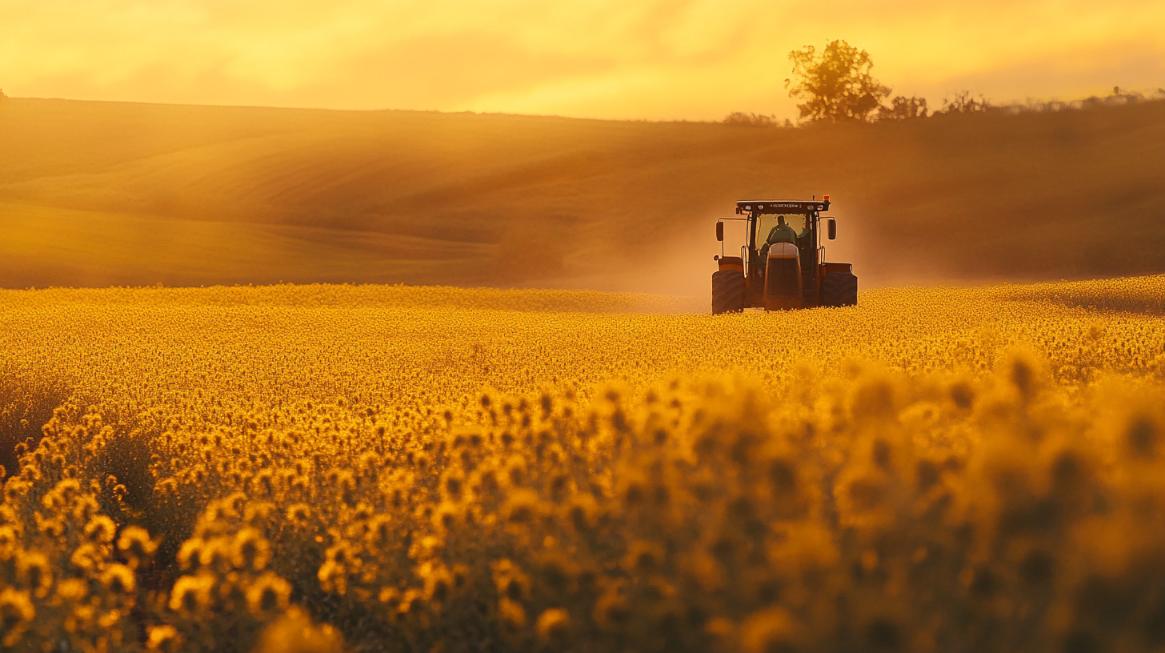
FRSH visual interpretation of farm machinery working in a flowering canola field

The geography behind the crop

Canola Regional Production Context

Canadian canola is closely associated with the Prairies, but place is more than a province name. Explore soil zones, moisture, frost windows, harvest timing, storage, transportation, and the distance between fields and processing.

01Crop systems02Field season03Harvest04Value chain

Field-region literacy

Regional production starting point

Why should a canola oil site explain where canola is grown without sounding official?

Field reality

Regional production context helps readers understand that canola is grown across different field settings, seasons, soil zones, weather patterns, and logistics paths.

Oil-chain bridge

Use region as the beginning of the chain, then separate it from harvested seed condition, movement, processing, labels, storage, kitchen use, and waste.

Audience meaning

Regional context makes the crop story feel real without pretending that a broad page verifies a bottle, farm, supplier, or season.

Review cue

Review when copy names a province, map, supplier, current season, origin claim, yield, price, or product conclusion.

Region map

Make the crop geography tangible without overclaiming.

Keep the scope clear

  • Use regional-production records to explain field context, not to publish current crop conditions or local farm advice.
  • Separate region, soil zone, season, logistics, seed handling, processing, labels, kitchen use, and waste before making claims.
  • Do not use regional language as proof of origin, endorsement, farm practice, sustainability outcome, product quality, or finished-oil performance.
  • Route current-season, province-specific, supplier-specific, map, statistic, weather, price, availability, and origin claims to review before publication.