Skip to content
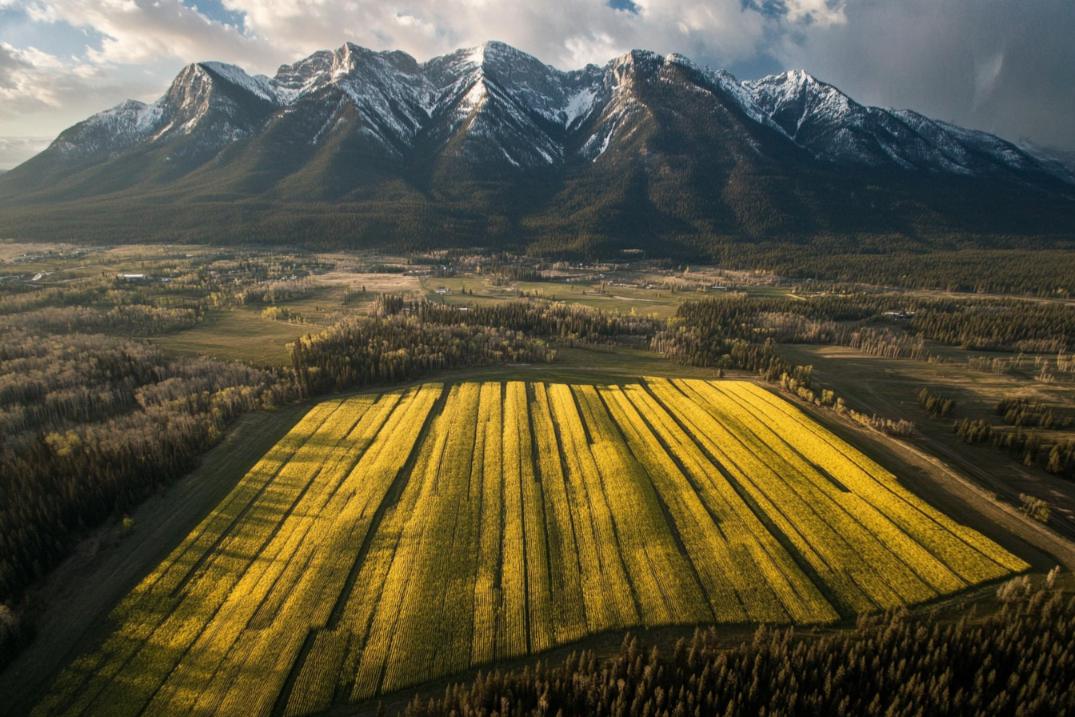
FRSH visual interpretation of Canadian canola fields

The journey after harvest

Canola Seed Quality and Handling

Once canola leaves the field, the seed still has a journey ahead. Follow condition, storage, movement, receiving, cleaning, and preparation as the crop passes from harvest into oil processing.

01Plant and seed02Canadian fields03Oil and meal04Food and markets

Harvest

Harvest timing context

Harvest timing belongs in the crop story because it can shape the seed-handling questions that follow.

What to check

Ask whether the page needs harvest context, seed condition context, or only finished-oil guidance.

Processing bridge

This factor helps connect field timing to seed movement, receiving, cleaning, and later processing language.

Kitchen meaning

For a cook, harvest timing is background literacy; the practical action is still buying an appropriate product and storing it well.

Review cue

Review any copy that names a year, region, farm, processor, current crop condition, or product lot.

Handling map

Explain seed condition without overclaiming the bottle.

Harvest is a handoff, not the end of the crop story.

Harvest timing, maturity language, seed condition, storage, receiving, cleaning, movement, and processing readiness help readers understand the chain. They should not be turned into product proof, facility verification, or technical advice.

Continue into processing
Fieldharvest context

Return to the field season to see the crop stages and conditions that come before seed handling.

22processing steps

Follow the seed-to-oil sequence and see where different product styles begin to emerge.

26production factors

Connect seed handling with field conditions, processing, product storage, kitchen use, and after-use systems.

Keep the scope clear

  • Use seed quality and handling records for literacy, not farm, storage, grading, purchasing, or processing instructions.
  • Separate field condition, seed handling, receiving, processing readiness, finished product style, and kitchen freshness before making claims.
  • Do not turn seed condition into proof of nutrition, safety, sustainability, origin, product quality, or cooking performance.
  • Route exact grades, tolerances, facility practices, supplier claims, current lots, local rules, and technical thresholds to review before publication.