Where to store it
Use a cool pantry or cabinet away from the stove and direct sunlight.
Freshness guide
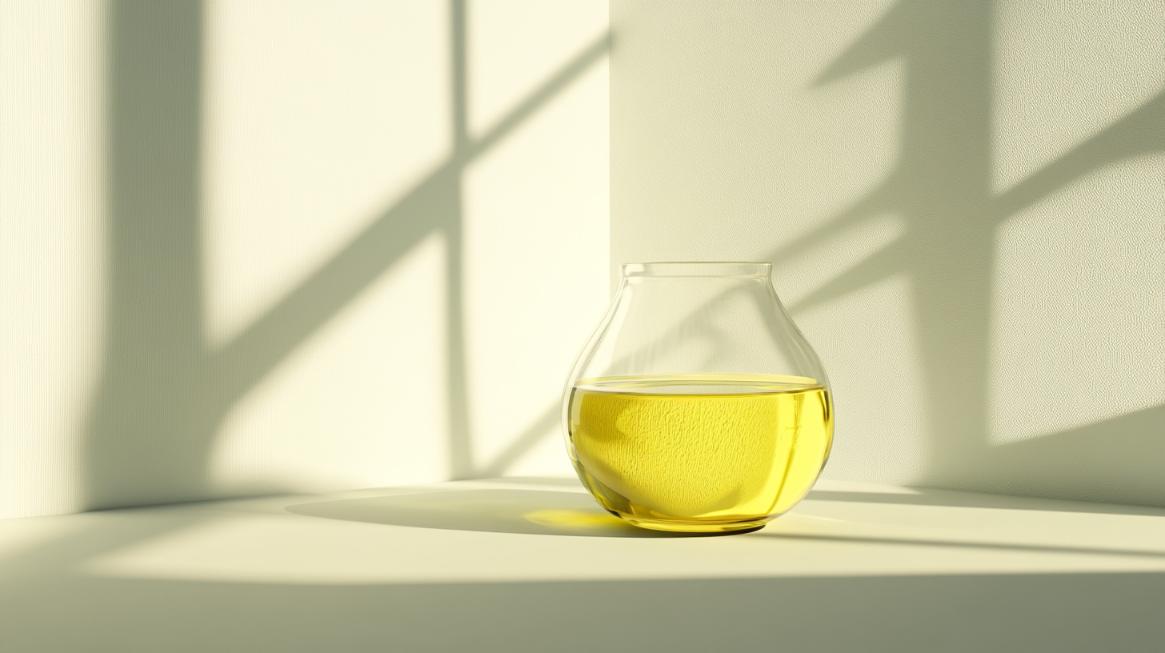
Store canola oil closed, cool, and away from light and stove heat. Freshness matters more than most people think.
Agricultural context
This guide keeps the field-to-kitchen chain in view: seed, crop handling, processing style, packaging, storage, supply, and the way the oil is finally used.
The connecting thread
Field conditions shape harvested seed; handling carries it forward; processing creates the oil; packaging and storage affect the product that finally reaches the kitchen.
Three useful questions
Start with the stage that matters, identify the information available there, and follow the material forward until it reaches the product or decision in front of you.
Use a cool pantry or cabinet away from the stove and direct sunlight.
Paint-like, harsh, stale, or unpleasant aromas mean the oil should be discarded.
Close tightly and use within a reasonable time for your kitchen.
Strain only if still fresh, store carefully, and discard at the first sign of tired oil.
Do not pour oil down the drain. Follow local disposal guidance.
FAQ
It works well when you need neutral flavour, even coating, and a liquid fat for heat or texture.
Yes. Refined canola is commonly used for everyday pan cooking. Avoid overheating any oil.
Yes. It coats vegetables evenly and lets seasoning, browning, and vegetable flavour lead.
Yes. It can keep muffins, cakes, waffles, and quick breads moist without adding butter flavour.
Yes. Canola oil is useful when you want acid, herbs, mustard, or honey to be the main flavour.
Yes. A neutral oil helps carry seasoning across the food surface.
Yes, lightly oiling food can help with browning and sticking. Do not let excess oil drip into flames.
Yes. A small amount can help seasoning stick and support browning.
A closer reading / The Fresh
Choose a sensible bottle size, manage opening dates and keep fresh oil distinct from used oil and homemade infusions.
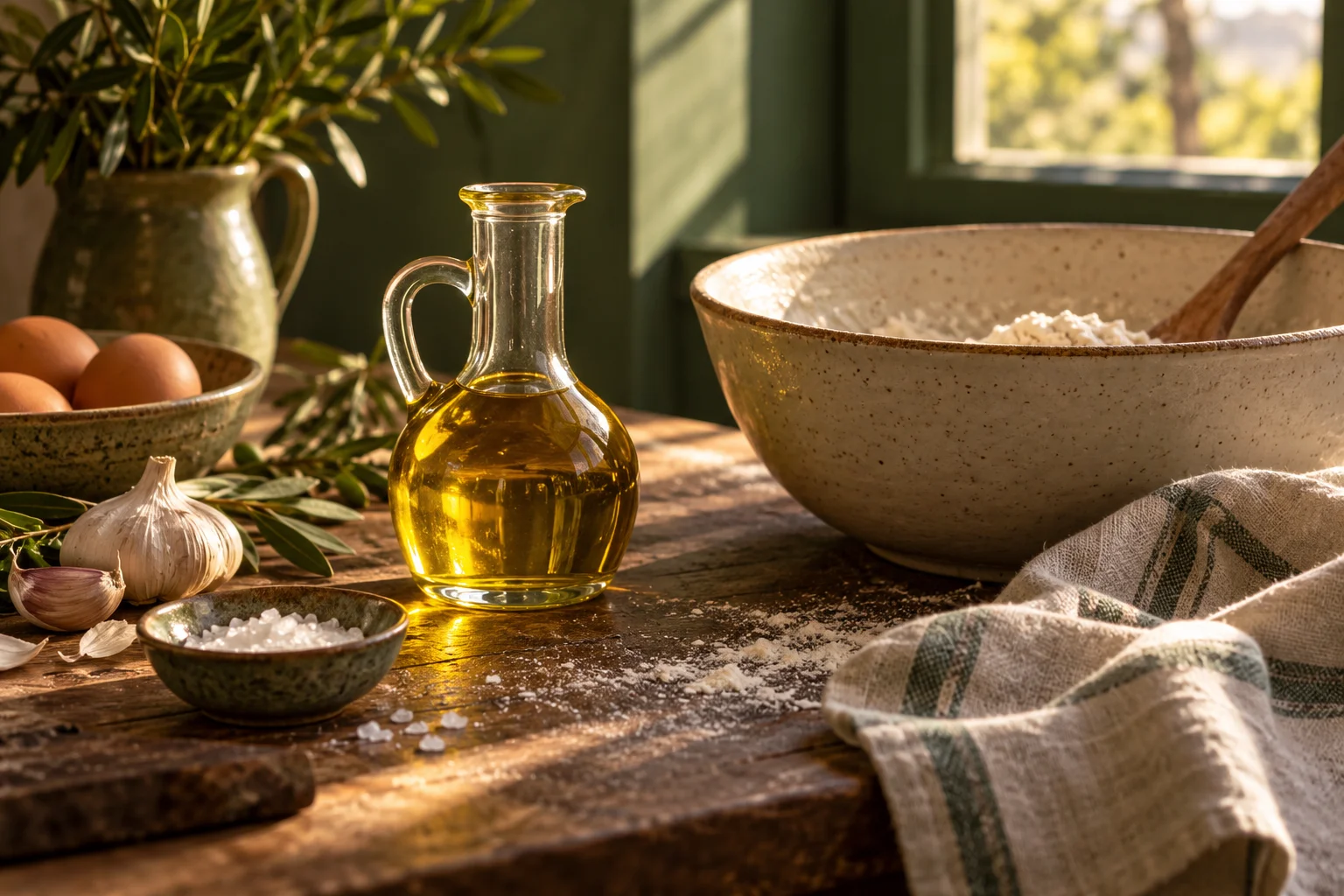
Good storage starts with a place the bottle can return to after every meal. Heat, light and contact with air encourage quality deterioration in oils. A closed cupboard away from the stove and a bottle with a secure closure are useful starting points, alongside the product's own instructions.
Convenience still matters. If the storage place is awkward, the bottle may stay on the counter indefinitely. Choose a spot you will actually use, keep its label readable and make returning the bottle part of putting the kitchen away.
The lowest price per litre is only one part of value. A large container is less useful if it remains open for a long time and the final portion is discarded. Before buying in bulk, look at how often you cook with that particular oil and how much you ordinarily use.
For the next bottle, record the opening date and the date it is finished. That gives you a household observation to use when shopping again. It is a purchasing tool, not a universal shelf-life claim: another product or kitchen may behave differently.
If you transfer oil into another container, use a suitable clean, dry food container with a closure and keep the product identity and dates with it. Avoid repeatedly topping up an unknown mixture. Starting a clean container with a known product makes the contents easier to manage and any later concern easier to investigate.
A short label can hold the oil name, opening or transfer date and any relevant storage instruction. Keep the original package information until the oil is finished. This is especially helpful in a shared kitchen, where the person pouring tonight may not be the person who bought it.
Rancidity can produce an unpleasant smell or taste. The Canadian Food Inspection Agency advises discarding rancid food. Do not keep an oil you already find unpleasant in the hope that stronger seasoning will make it useful in the next meal.
A date on the package and the oil's condition answer different questions. Best-before guidance concerns the unopened product, while storage after opening adds a new history. If you believe a newly purchased bottle was already defective, retain its identity and lot information when contacting the seller.
Fresh packaged oil, used cooking oil and oil containing fresh herbs or vegetables should not share one casual storage rule. Used oil has been through a cooking process. Adding fresh plant material creates another food preparation with its own requirements. Health Canada's guidance for vegetables and herbs in oil should be consulted before attempting that kind of preparation.
Keep those containers distinct and clearly labelled. The simplest cupboard system is a known fresh bottle, a readable opening date and a routine for checking it before use. When the contents or history are uncertain, resolve that uncertainty before making the oil part of another meal.