Key difference
Refined oil is processed for neutrality and consistency. Cold-pressed oil is mechanically pressed and often less neutral.

Label guide
Refined canola is mild and flexible. Cold-pressed canola is often more flavourful and chosen for gentler uses.
Agricultural context
This guide keeps the field-to-kitchen chain in view: seed, crop handling, processing style, packaging, storage, supply, and the way the oil is finally used.
The connecting thread
Field conditions shape harvested seed; handling carries it forward; processing creates the oil; packaging and storage affect the product that finally reaches the kitchen.
Three useful questions
Start with the stage that matters, identify the information available there, and follow the material forward until it reaches the product or decision in front of you.
Refined oil is processed for neutrality and consistency. Cold-pressed oil is mechanically pressed and often less neutral.
Refined oil is usually pale and mild; cold-pressed oil may be deeper in colour and flavour.
Refined canola is typically the more flexible high-heat choice. Cold-pressed canola is often better for gentler cooking.
Cold-pressed products may cost more and should be stored carefully to preserve quality.
Bake and fry with refined canola. Use cold-pressed canola where its flavour belongs.
FAQ
It works well when you need neutral flavour, even coating, and a liquid fat for heat or texture.
Yes. Refined canola is commonly used for everyday pan cooking. Avoid overheating any oil.
Yes. It coats vegetables evenly and lets seasoning, browning, and vegetable flavour lead.
Yes. It can keep muffins, cakes, waffles, and quick breads moist without adding butter flavour.
Yes. Canola oil is useful when you want acid, herbs, mustard, or honey to be the main flavour.
Yes. A neutral oil helps carry seasoning across the food surface.
Yes, lightly oiling food can help with browning and sticking. Do not let excess oil drip into flames.
Yes. A small amount can help seasoning stick and support browning.
A closer reading / The Fresh
Separate extraction language, finishing language and kitchen purpose when comparing canola oil labels.
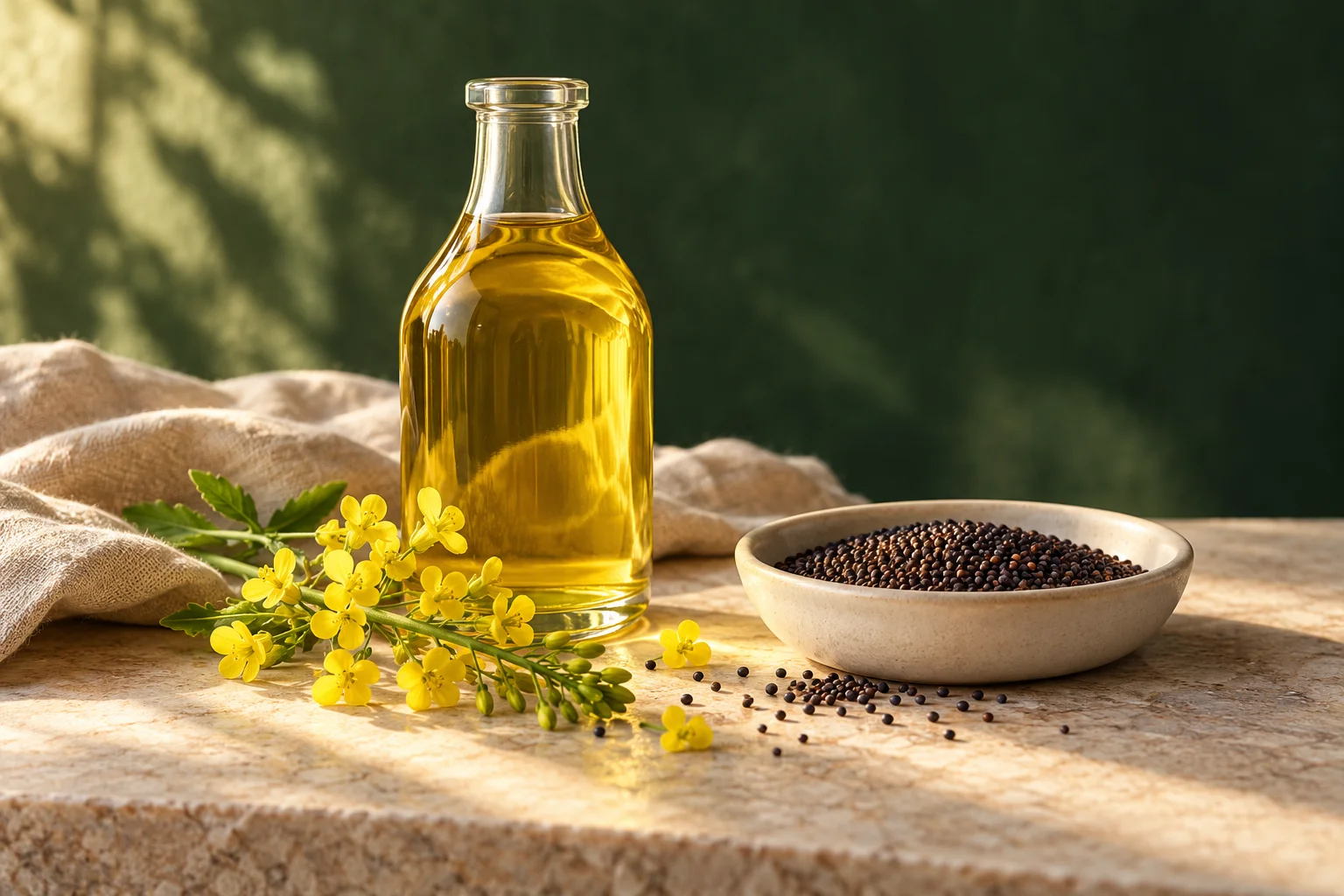
The front of an oil bottle can carry several kinds of information at once: the crop, a processing description, a flavour suggestion and a brand story. They do not answer the same question. Canola identifies the source. Pressed describes a separation method. Refined describes further processing. A cooking suggestion tells you how the seller expects the product to be used.
Read those statements separately before combining them into a judgment. A short label cannot describe an entire supply chain, and an attractive word does not replace specific information about the product in your hand.
Codex describes cold pressed oils as produced mechanically without applied heat, with limited purification methods such as settling or filtering. That gives the phrase a process meaning. It does not establish a universal taste, a fixed cooking temperature or an individual health outcome.
Expeller pressed also refers to mechanical extraction, but pressing alone does not tell you whether heat was applied or what happened afterward. When the distinction matters to your purchase, look for a clear description covering extraction and subsequent finishing rather than treating the two phrases as interchangeable.
Refining addresses components that influence an oil's characteristics. Different operations serve different purposes: gums, acidity, colour and volatile flavour compounds present different processing questions. The exact route depends on the starting material and the intended product.
The useful comparison is between finished products. What does each label say about flavour, intended use and storage? What can the supplier explain? A refining term can help you understand a process, but it should not stand in for a complete evaluation of quality or suitability.
For a vinaigrette, ask whether the oil's flavour should be noticeable or whether herbs, vinegar and seasoning should lead. For a cake, ask whether the recipe was designed around a mild liquid oil. For pan cooking, consider the product's stated uses alongside the recipe and equipment instructions.
This changes a vague shopping question into a concrete one. You are choosing an ingredient for a meal, not awarding one process a permanent first place. A bottle can suit one purpose beautifully and be an unnecessary expense for another.
Write down the common name, processing wording, bottle size, price, storage instructions and the cooking job you have planned. If you compare flavour at home, use a small amount in the same simple food and record your own preference. Describe it as your observation rather than a result that applies to every product of that type.
Keep questions about origin or extraction separate from questions about taste. If information is missing, record it as unknown. That is more useful than filling the gap with an assumption based on colour, price or packaging.