Interactive guide
Canola Season Planner
Map canola crop-season context to safer field, processing, label, kitchen, and waste questions.
01Current data02Field context03Research04Decision tools
Agricultural context
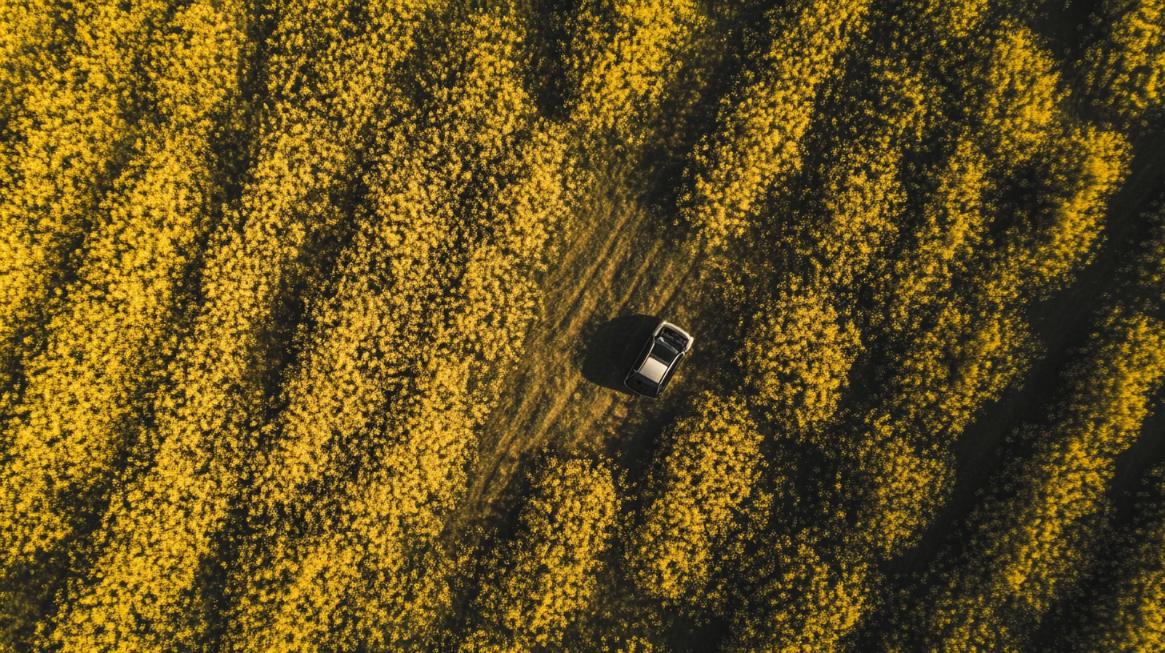
Before it is an oil, canola is a crop.
This tool guide keeps the field-to-kitchen chain in view: seed, crop handling, processing style, packaging, storage, supply, and the way the oil is finally used for home cooks.
CropSeparate crop identity, seed condition, handling, and product claims before drawing a kitchen conclusion.ProcessingAsk whether the claim is about seed preparation, oil separation, refining, packaging, storage, or the recipe itself.KitchenCanola Season Planner decisions for home cooks should come back to freshness, method, amount, equipment, storage, and waste.
The connecting thread
The bottle is one moment in a longer story.
Field conditions shape harvested seed; handling carries it forward; processing creates the oil; packaging and storage affect the product that finally reaches the kitchen.
Three useful questions
Carry the context into the next decision.
Start with the stage that matters, identify the information available there, and follow the material forward until it reaches the product or decision in front of you.
- Begin in the fieldIdentify the crop, season, seed, or handling context that belongs to the question.
- Follow the seedNotice where cleaning, oil separation, refining, packaging, or storage changes the story.
- Return to the decisionUse that context to make a clearer choice in the store, classroom, or kitchen.
Inputs
- Crop phase
- Reader role
- Claim or concern
- Product style
- Kitchen decision
Checklist
- Field history, crop sequence, residue, weeds, diseases, insects, soil conditions, moisture, seed identity, equipment, labour, and marketing plans meet before field work begins.
- Rotation is far upstream of cooking, but it explains why canola oil begins within a multi-year farm and food system rather than at the grocery shelf.
- Separate crop context from product-style claims
- Avoid exact timing or production claims unless separately reviewed
- Send readers to the matching field guide before making a broad conclusion