Flavour
Both can be mild, though avocado oil may have a richer character.
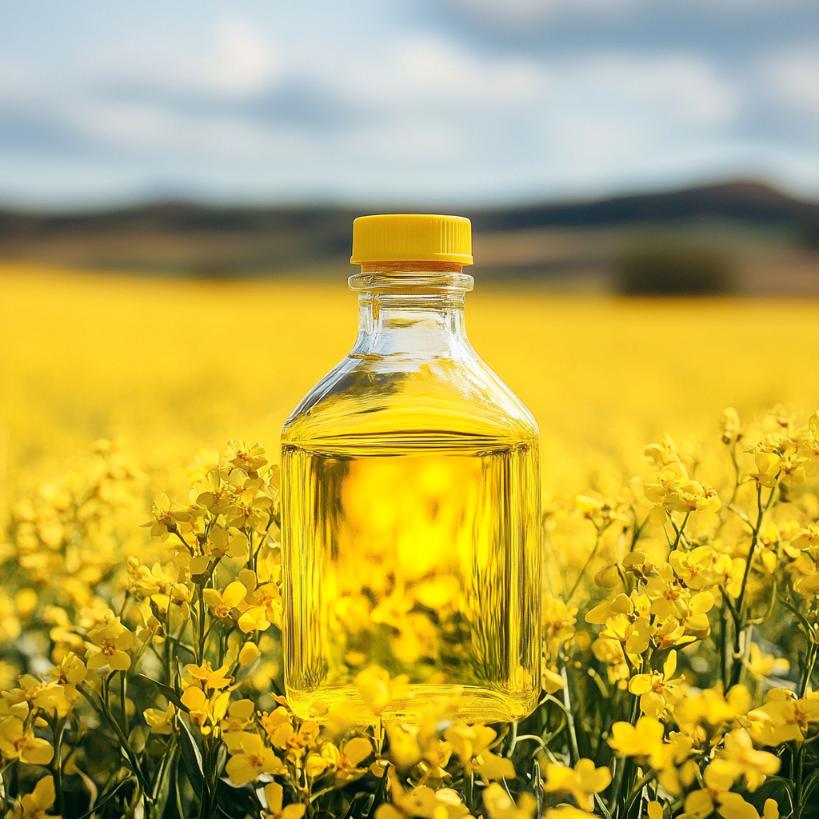
Oil comparison
Canola oil is usually the more affordable neutral workhorse. Avocado oil is often a premium mild oil.
Agricultural context
This oil comparison keeps the field-to-kitchen chain in view: seed, crop handling, processing style, packaging, storage, supply, and the way the oil is finally used.
The connecting thread
Field conditions shape harvested seed; handling carries it forward; processing creates the oil; packaging and storage affect the product that finally reaches the kitchen.
Three useful questions
Start with the stage that matters, identify the information available there, and follow the material forward until it reaches the product or decision in front of you.
Use canola for routine cooking volume. Use avocado oil when you specifically want that product style and price fits.
| Factor | Canola oil | avocado oil |
|---|---|---|
| Cost | Usually lower | Often higher |
| Flavour | Neutral | Mild, sometimes richer |
| Availability | Very common | Common but more variable |
Both can be mild, though avocado oil may have a richer character.
Both are used for heat, but exact behaviour depends on refinement, age, and product quality.
Both are calorie-dense oils. Compare labels rather than assuming all products are identical.
Avocado oil is often more expensive; canola is commonly easier to buy in larger sizes.
Canola can replace avocado oil in many neutral recipes. Avocado oil can replace canola if cost and flavour are acceptable.
Often, yes. The result depends on whether the original oil or fat was adding flavour, structure, or texture.
Keep the oil that matches your actual recipes. Many kitchens use one neutral oil and one flavour-forward oil.