Flavour
Canola stays quiet. Butter is a major flavour ingredient.
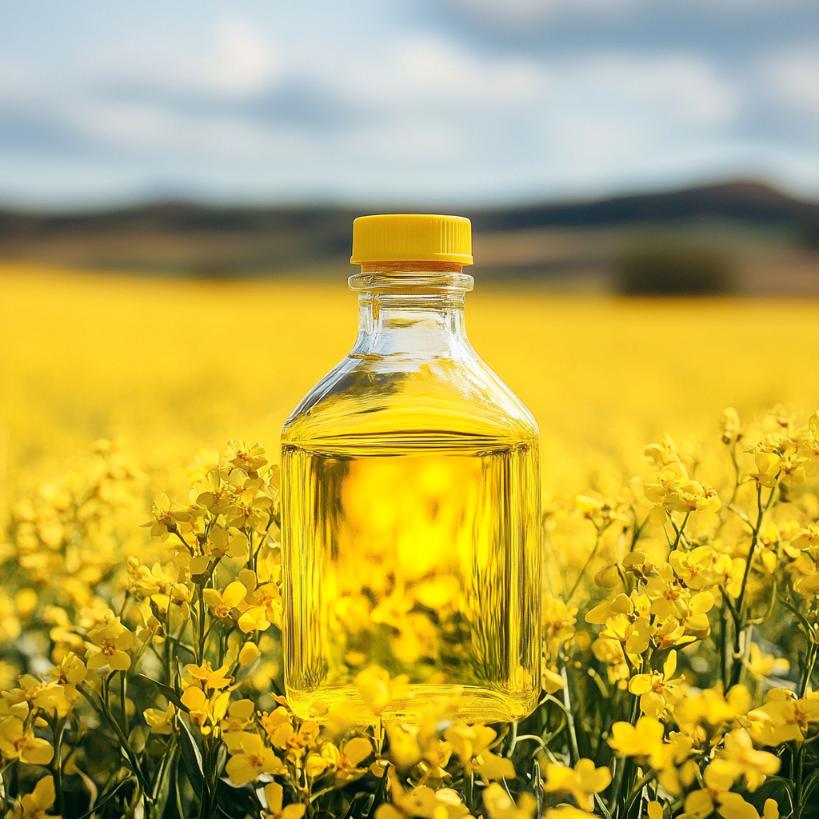
Oil comparison
Canola oil brings neutral liquid fat. Butter brings dairy flavour, browning, and structure.
Agricultural context
This oil comparison keeps the field-to-kitchen chain in view: seed, crop handling, processing style, packaging, storage, supply, and the way the oil is finally used.
The connecting thread
Field conditions shape harvested seed; handling carries it forward; processing creates the oil; packaging and storage affect the product that finally reaches the kitchen.
Three useful questions
Start with the stage that matters, identify the information available there, and follow the material forward until it reaches the product or decision in front of you.
Use canola for moisture and neutral cooking. Use butter when the recipe depends on flavour, browning, or solid-fat texture.
| Factor | Canola oil | butter |
|---|---|---|
| State | Liquid | Solid when chilled |
| Flavour | Neutral | Dairy-rich |
| Baking role | Moisture | Structure and flavour |
Canola stays quiet. Butter is a major flavour ingredient.
Butter can brown and burn differently because it is not pure oil. Canola is more neutral in pan behaviour.
They are different kinds of fats; compare in the context of the full recipe.
Canola is often cheaper per cooking use. Butter pricing varies.
Substitution changes texture. In baking, oil can make cakes moist but will not cream like butter.
Often, yes. The result depends on whether the original oil or fat was adding flavour, structure, or texture.
Keep the oil that matches your actual recipes. Many kitchens use one neutral oil and one flavour-forward oil.