Flavour
Both are usually mild; sunflower oil can taste slightly nuttier depending on product.
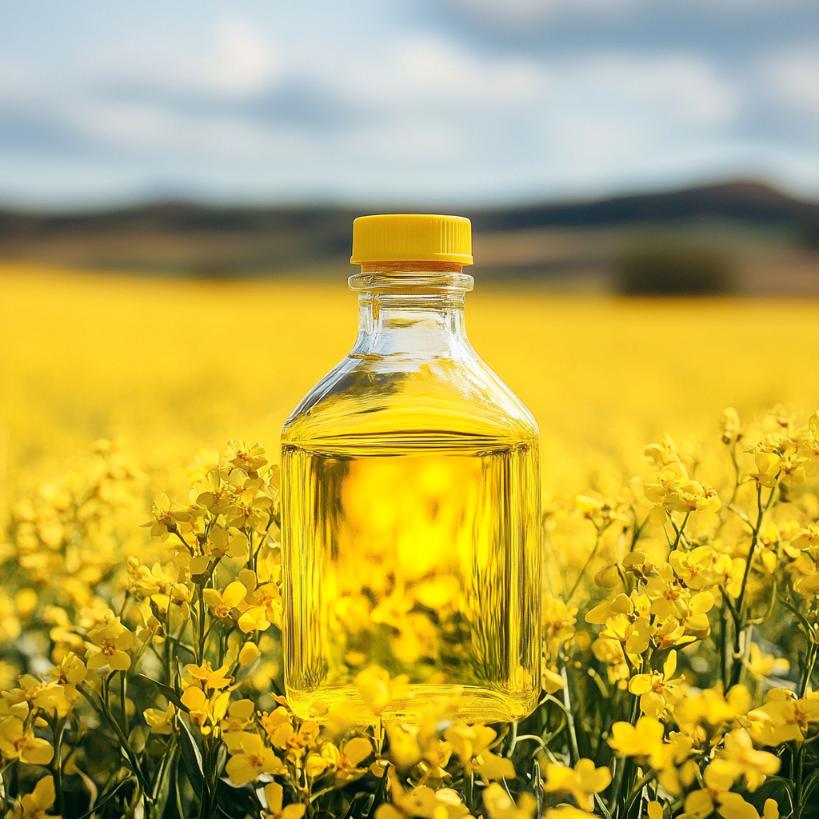
Oil comparison
Both can be mild neutral oils. The label, price, and exact product type should guide the choice.
Agricultural context
This oil comparison keeps the field-to-kitchen chain in view: seed, crop handling, processing style, packaging, storage, supply, and the way the oil is finally used.
The connecting thread
Field conditions shape harvested seed; handling carries it forward; processing creates the oil; packaging and storage affect the product that finally reaches the kitchen.
Three useful questions
Start with the stage that matters, identify the information available there, and follow the material forward until it reaches the product or decision in front of you.
Use canola when you want a familiar neutral oil. Use sunflower oil when its label, flavour, or regional availability suits the recipe.
| Factor | Canola oil | sunflower oil |
|---|---|---|
| Flavour | Mild | Mild to lightly nutty |
| Baking | Strong fit | Strong fit |
| Label nuance | Can vary by refinement | Can vary by variety |
Both are usually mild; sunflower oil can taste slightly nuttier depending on product.
Both can be used in everyday cooking, with refinement and freshness mattering more than the name alone.
Oil type and variety can change the fat profile, so label-reading matters.
Both vary by region and bottle size.
They often substitute well in neutral baking and pan cooking.
Often, yes. The result depends on whether the original oil or fat was adding flavour, structure, or texture.
Keep the oil that matches your actual recipes. Many kitchens use one neutral oil and one flavour-forward oil.