Skip to content
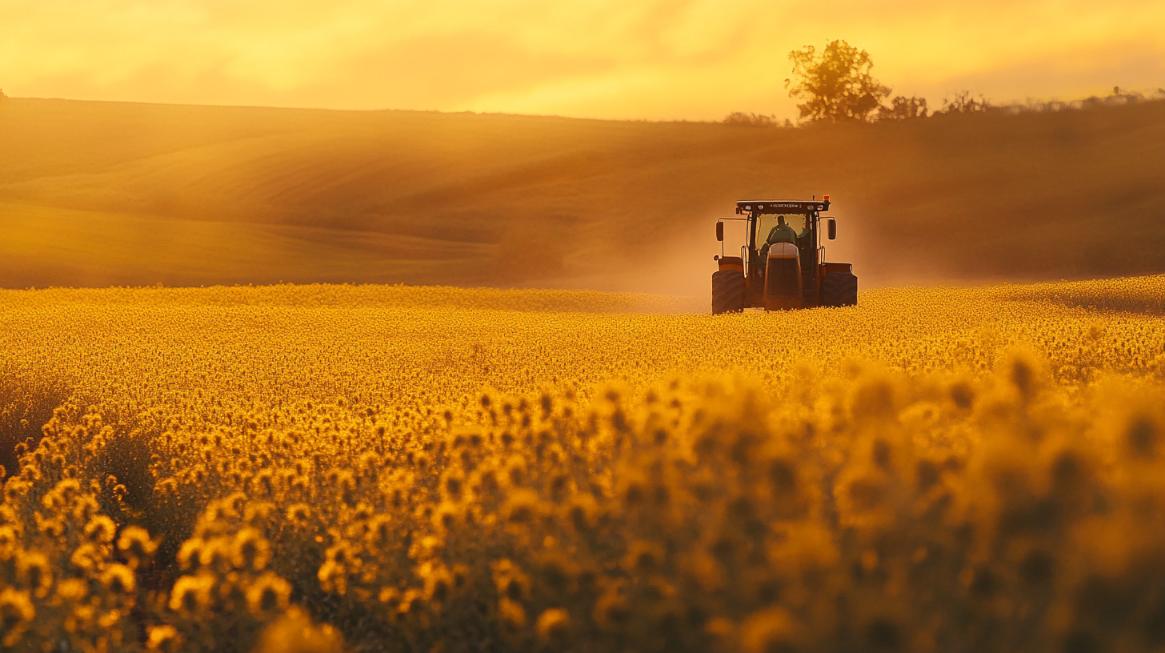
FRSH visual interpretation of farm machinery working in a flowering canola field

Ten ways to read the system

Canola Field Intelligence

Move from field observation to harvested grain, processing, labels, food use, recovery, and evidence without losing the distinctions between them.

01Crop systems02Field season03Harvest04Value chain

Field lens

Crop identity

Canola is an oilseed crop before it becomes a food oil, so field context starts with seed, crop stage, handling, and product path.

What to examine

Identify whether the subject is the living plant, harvested seed, a processing stream, a finished oil, or a food made with that oil.

Downstream meaning

Use crop identity to ask better label, product-style, freshness, and recipe-fit questions.

How to interpret it

Species, variety, hybrid, trait, seed class, grain grade, product style, and label identity describe different layers of the system.

Context that changes the reading

A general crop identity establishes biological context; records tied to a lot or product establish specific commercial identity.

Observation before conclusion

A field is a pattern through space and time.

One plant, one photograph, or one date is rarely the whole field.

Stage, distribution, topography, field history, weather, repeated observations, representative samples, and downstream records turn isolated details into more useful agricultural intelligence.

Explore the Field Encyclopedia
10season phases

Place each observation within the ten-stage biological and supply-chain sequence.

Canadaregional context

Connect observations with soil zones, climate gradients, production regions, logistics, and processing geography.